

Biotechnology: Definition, Overview & Significance
Biotechnology refers to the use of **living organisms, biological systems, or their components** to develop useful products and technologies. It combines **biology** with tools from chemistry, engineering, and computing to solve practical problems in health, agriculture, and industry.
The central concept of biotechnology is **modifying or manipulating biological processes** for human benefit. This includes improving crop traits, creating medicines, producing enzymes, or enhancing environmental solutions like waste treatment and pollution control.
Traditional Biotechnology
Uses long-established methods like **fermentation** for products such as bread, yogurt, or alcohol, relying on natural biological processes.
Modern Biotechnology
Involves advanced tools such as **genetic engineering, DNA sequencing, stem-cell techniques, and recombinant DNA technology** to achieve more targeted results.
Biotechnology plays a major role in sectors like **healthcare** (vaccines and insulin); **agriculture** (genetically improved crops); **industry** (biofuels and biodegradable plastics); and **environment** (bioremediation efforts).
Importance in Agriculture
Helps create **pest-resistant, drought-tolerant, and high-yield crops**. Examples include **Bt cotton** for pest control and **tissue culture** for disease-free varieties.
Importance in Medicine
Enables development of **life-saving drugs, gene therapies, diagnostic kits, and personalised medicine**. Examples include **recombinant insulin** and **mRNA-based vaccines**.
Significance for Environment
Uses microbes for **bioremediation** to clean polluted sites, treat wastewater, and manage solid waste. **Biodegradable plastics** and **biofuels** also support sustainability.
Biotechnology **strengthens food security**, improves **public health**, supports **green technologies**, and promotes **economic growth**. Its multi-disciplinary nature makes it a crucial scientific field for innovation and **sustainable development**.
Classification of Biotechnology
(Definition, Overview & Significance — UPSC CSE Notes)
Biotechnology refers to the use of **living organisms, biological systems, or their components** to develop products and processes benefiting humans. It combines biology with technology to solve practical problems in agriculture, health, industry, and environmental management.
Biotechnology broadly includes **traditional techniques** like fermentation and **modern tools** such as genetic engineering, tissue culture, and molecular diagnostics.
It works by **understanding biological mechanisms** and applying them to create useful solutions with higher precision and efficiency.
This category includes age-old biological processes such as **brewing, cheese making, bread fermentation**, and selective breeding. It relies on naturally occurring microbes or traits and helps improve food production, preservation, and basic healthcare.
Modern biotechnology involves **advanced methods** like recombinant DNA technology, gene editing (e.g., CRISPR), cloning, and biopharmaceutical development.
It allows **targeted modification of organisms** to create vaccines, high-yield crops, therapeutic proteins, and disease-resistant varieties.
This branch uses tools such as **tissue culture, transgenic crops, biofertilizers, and biopesticides**. It enhances crop yield, improves stress tolerance, reduces chemical dependence, and supports sustainable farming practices essential for food security.
It includes **vaccine production, diagnostics, gene therapy**, stem-cell applications, and personalized medicine.
These innovations help **detect diseases early**, develop effective treatments, and improve patient outcomes with more precise interventions.
Industrial biotechnology uses **enzymes, microbes, and bioprocesses** to manufacture biofuels, biodegradable plastics, detergents, and bio-based chemicals. It supports cleaner production, energy efficiency, and reduction of environmental pollution.
This branch employs **microbes and engineered organisms** for waste treatment, bioremediation, and pollution control.
It plays a key role in **restoring ecosystems** and achieving sustainable environmental management.
Biotechnology is crucial for addressing **global challenges** such as food scarcity, health crises, environmental degradation, and energy demands. It promotes sustainable development, drives innovation, and contributes to India’s scientific and economic progress—making it vital for UPSC aspirants.
DNA & RNA – Definition, Overview & Applications
DNA and RNA are essential **biomolecules** responsible for storing, transmitting, and executing genetic information. They guide cell functions, influence traits, and form the molecular basis of inheritance. Understanding their structure and roles is key to mastering biology fundamentals.
**Deoxyribonucleic Acid (DNA)** is a long, **double-stranded** molecule that carries genetic instructions for growth, development, and reproduction. It remains stable, stores information permanently, and forms the **blueprint** for all cellular activities across generations.
DNA consists of **nucleotide units** made of a sugar, phosphate, and nitrogen base.
Its **double-helix** structure, proposed by Watson and Crick, allows complementary base pairing—**A with T and G with C**—ensuring faithful replication during cell division.
DNA controls **protein synthesis** by providing templates for RNA formation. It determines **hereditary traits**, regulates gene expression, and contributes to evolutionary variation. Mutations in DNA also drive adaptation, disease occurrences, and genomic diversity.
DNA analysis helps in **forensic identification**, paternity tests, biodiversity studies, and historical investigations.
Techniques like **PCR** aid quick detection of pathogens, while **DNA fingerprinting** supports crime solving, wildlife conservation, and disaster victim identification.
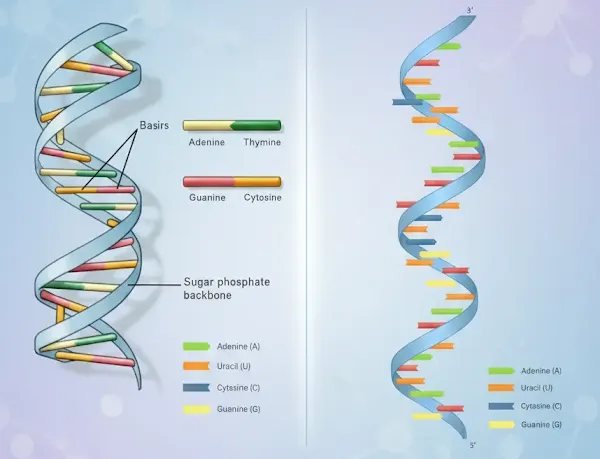
**Ribonucleic Acid (RNA)** is usually **single-stranded** and acts as a messenger, interpreter, or catalyst inside cells. It reads DNA information and converts it into functional proteins, making it central to the flow of **genetic information**.
Cells commonly use three major RNA types: **mRNA** carries genetic codes from DNA to ribosomes.
**tRNA** brings amino acids for protein formation. **rRNA** forms ribosome structures. Together, they ensure accurate and efficient protein synthesis.
RNA enables **gene expression**, protein formation, and cellular responses. Some RNAs act as **regulatory molecules** controlling gene activity, while others serve **catalytic functions**. Their versatile roles make RNA essential for rapid adaptation and cellular communication.
RNA technologies drive **vaccine development**, especially **mRNA vaccines**. RNA interference (RNAi) helps silence harmful genes in research.
RNA-based diagnostics support early disease detection, while synthetic RNAs aid **gene therapy** and targeted drug delivery.
| Feature | DNA | RNA |
|---|---|---|
| Full Form | Deoxyribonucleic Acid | Ribonucleic Acid |
| Strands | Double-stranded helix | Single-stranded |
| Sugar | Deoxyribose | Ribose |
| Bases | A, T, G, C | A, U, G, C |
| Stability | Highly stable | Less stable |
| Location | Mainly nucleus | Nucleus & cytoplasm |
| Primary Role | Long-term information storage | Protein synthesis & regulation |
Principles of Biotechnology – Definition, Overview & Applications
Meaning of Biotechnology
Biotechnology is the use of **living organisms**, biological systems, or their components to develop useful products and processes. It integrates biology with technology to enhance agriculture, medicine, industry, and environmental management through scientific manipulation of genes and cells.
General Overview of Biotechnology
Modern biotechnology primarily relies on understanding **genes, DNA, and cellular mechanisms** to produce targeted outcomes. It includes recombinant DNA technology, tissue culture, cloning, and bioengineering—all aimed at improving efficiency, precision, and sustainability in biological applications.
Core Principles
The field is based on two major principles: **genetic engineering**, which involves altering genetic material for desired traits; and **bioprocess engineering**, which uses controlled biological environments to produce large-scale goods such as medicines, enzymes, and vaccines.
Genetic Engineering
Genetic engineering inserts, deletes, or **modifies DNA segments** in an organism. By using vectors like plasmids and enzymes such as restriction endonucleases, scientists introduce new traits—like pest resistance or insulin production—into target organisms without natural breeding limitations.
Bioprocess Engineering
Bioprocessing uses **fermenters, bioreactors**, and controlled culture conditions to grow microorganisms or cells efficiently. It ensures safe, high-quality production of antibiotics, vaccines, biofuels, and industrial enzymes, making biotechnology commercially viable on a large scale.
Applications in Agriculture
Agricultural biotechnology creates **high-yield, disease-resistant, and climate-tolerant crops**. Examples include Bt cotton for pest resistance and Golden Rice enriched with vitamin A. Tissue culture enables rapid propagation of uniform and disease-free planting material.
Applications in Medicine and Healthcare
Medical biotechnology produces **vaccines, therapeutic proteins, diagnostics, and gene-based treatments**. Recombinant insulin, mRNA vaccines, monoclonal antibodies, and CRISPR-based therapies demonstrate how biotechnology improves disease prevention, early detection, and personalized medical treatment.
Applications in Industry
Industrial biotechnology uses **microbes and enzymes** to develop eco-friendly manufacturing processes. Examples include bioethanol production, biodegradable plastics, enzyme-based detergents, and fermentation-based food products. These innovations reduce energy use, pollution, and dependence on petrochemicals.
Applications in Environment
Environmental biotechnology applies **microorganisms for waste treatment, pollution control**, and resource recovery. Techniques like bioremediation clean oil spills and heavy metals, while biofertilizers and biopesticides reduce chemical dependency and support sustainable ecosystem management.
Key Differences
**Principles** explain how biotechnology works—**genetic engineering** and **bioprocessing**. **Applications** show where it is used—agriculture, medicine, industry, and environment. Principles provide the scientific foundation, while applications convert these concepts into real-world solutions and products.
RECOMBINANT DNA TECHNOLOGY
Recombinant DNA (rDNA) technology refers to **laboratory methods** used to **combine genetic material from two different sources** to create a modified DNA sequence. It allows scientists to insert, remove, or alter genes to produce desired traits or biological products.
The process involves cutting DNA using **restriction enzymes**, inserting the selected gene into a **vector** like plasmids, and transferring it into a host organism. Once inside, the host expresses the new gene, producing useful proteins or traits.
Gene Identification & Isolation
The first step involves identifying the **desired gene** (e.g., insulin gene) and cutting it precisely using **Restriction Endonucleases** (molecular scissors).
Ligation and Vector Creation
The isolated gene is joined (**ligation**) with a **vector** (often a plasmid) using **DNA ligase** (molecular glue) to create the Recombinant DNA (rDNA) molecule.
Transformation
The resulting rDNA is then introduced into a **host cell** (e.g., *E. coli* bacteria) through a process called **transformation**, making the host genetically modified.
Selection and Expression
Modified hosts are **screened** and grown in large numbers to allow the new gene to be **expressed**, resulting in the mass production of the desired protein.
Biopharmaceuticals and Gene Therapy
rDNA technology enables production of life-saving products such as **recombinant insulin**, human growth hormone, clotting factors, and **vaccines** (e.g., Hepatitis B). It also aids in **gene therapy** approaches, allowing correction of defective genes responsible for inherited diseases.
Genetically Modified Crops (GM)
**Genetically modified crops** developed using rDNA techniques show improved yield, **pest resistance** (reducing pesticide use), and **stress tolerance** (e.g., drought). Examples include **Bt cotton**, vitamin-A enriched **Golden Rice**, and herbicide-resistant soybean varieties widely used for food security.
Industrial Products
Industries use **recombinant microbes** to produce large quantities of specialized products like **enzymes** (for detergents, food processing), and clean energy sources like **biofuels** (e.g., bioethanol).
Environmental Applications
Environmentally, rDNA-based organisms help in **bioremediation** by enhancing the ability of microbes to efficiently break down pollutants (like oil spills) or treat wastewater, supporting cleaner ecosystems.
BIOTECHNOLOGY IN AGRICULTURE
Definition
Agricultural biotechnology uses **scientific tools** such as genetic engineering, tissue culture, and molecular markers to improve crop traits. It aims to increase **productivity**, reduce losses, and create **sustainable food systems** suited to modern environmental challenges.
Why it Matters (Indian Context)
India faces issues like **low crop yields**, climate stress, and pest attacks. Biotechnology helps overcome these constraints by enabling precise crop improvement, reducing dependence on chemical inputs, and ensuring better **food security** for a growing population.
Genetic Engineering and GM Crops
Genetic engineering **modifies a plant’s DNA** to introduce desired traits. **GM crops** like **Bt cotton**, engineered for pest resistance, reduce pesticide use and enhance productivity. This directly influences farm-level outcomes.
Marker-Assisted Selection (MAS)
MAS identifies plants carrying beneficial genes through **molecular markers**. It **speeds up conventional breeding**, allowing scientists to develop varieties tolerant to **drought, salinity, or diseases** without altering the plant’s natural genetic structure.
Tissue Culture and Micropropagation
Tissue culture produces **disease-free, uniform planting material**. **Banana, sugarcane, and potato** are common examples. This technique helps farmers obtain healthy seedlings quickly, reducing losses and improving overall crop quality and consistency.
Biofertilisers and Biopesticides
Biotechnology supports **eco-friendly inputs** such as **Rhizobium biofertilisers** and **Bacillus thuringiensis-based biopesticides**. These enhance nutrient availability and natural pest control, reducing the environmental impact associated with chemical inputs.
Climate Resilience
Biotech tools help develop crops capable of tolerating **heat, drought, flooding, and salinity**. Such **climate-resilient varieties** are crucial for stable food production, especially as climate change increases the frequency of extreme weather events.
Key Issues for Governance
Issues include **biosafety**, regulation, high costs, and public acceptance. Ensuring **safe use of GM crops**, protecting biodiversity, and building **strong regulatory frameworks** (like the GEAC in India) are essential for responsible biotechnology adoption in agriculture.
Biotechnology in Medicine – General Overview
Biotechnology in medicine uses **biological systems, cells, and molecules** to diagnose, treat, and prevent diseases. It merges biology and technology to create innovative solutions, improving healthcare accuracy, safety, and accessibility in modern medical practice.
Gene Insertion
Recombinant DNA (rDNA) allows scientists to insert **useful genes** into organisms. In medicine, it enables production of human insulin, growth hormones, and vaccines.
Therapeutic Products
This method ensures **large-scale, pure, and safe** therapeutic products compared to earlier extraction-based approaches.
Biotechnology supports both **traditional and advanced vaccines**. Examples include recombinant hepatitis-B vaccine and mRNA vaccines. These technologies strengthen immunity by safely exposing the body to antigenic components without using live, disease-causing organisms.
Targeted Action
Monoclonal antibodies are lab-designed proteins that **target specific cells**. They are widely used in cancer treatment, autoimmune conditions, and COVID-19 therapy.
Efficacy and Safety
Their high **specificity reduces side-effects** and improves targeted disease management.
Gene therapy **corrects defective genes** responsible for diseases. It involves introducing functional genes into patient cells, often using viral vectors. Applications include treatment research for hemophilia, muscular dystrophy, and certain inherited eye disorders.
Regenerative Potential
Stem cells can transform into various tissues, making them useful in **regenerative medicine**. They help repair damaged tissues in spinal injuries, burns, and degenerative diseases.
Future Scope
Stem-cell–based therapies remain a **rapidly evolving field** with high future potential.
Biotechnology has revolutionized diagnostics through **PCR, ELISA, and DNA fingerprinting**. These tools enable accurate detection of infections, genetic disorders, and cancer markers. Faster and more sensitive diagnostics support timely clinical decisions.
Advances in genomics allow treatment tailored to an **individual’s genetic makeup**. Personalized medicine improves drug effectiveness and reduces adverse reactions. It is increasingly used in oncology and pharmacogenomics.
Medical biotechnology raises issues like **genetic privacy, affordability, safety, and misuse risks**. Strong regulation, transparent research, and ethical safeguards ensure responsible use while maximizing healthcare benefits.
Regulatory Authorities in Biotechnology – General Overview
Biotechnology involves manipulating living organisms, making **safety and ethical oversight** essential. India follows a **multi-tier regulatory structure** to ensure that research, production, and release of biotech products do not harm human health or the environment.
Ministry of Environment, Forest and Climate Change (MoEFCC)
MoEFCC is the **nodal authority** for regulating genetically modified organisms (GMOs). It frames national policies and oversees committees responsible for **environmental approval**. Its role ensures that biotech innovations align with **ecological safety** standards.
Department of Biotechnology (DBT)
DBT supports research, sets **biosafety guidelines**, and funds institutions working on genetically engineered products. It ensures that laboratories follow safe practices through manuals, training, and **certification systems**. Example: DBT-regulated containment labs for GM crop trials.
Genetic Engineering Appraisal Committee (GEAC)
GEAC under MoEFCC is the **apex body** approving **large-scale experiments and commercial release** of GMOs. It evaluates safety data, environmental risks, and socio-economic impacts. Example: GEAC assesses Bt cotton or GM mustard trials before field release.
Review Committee on Genetic Manipulation (RCGM)
RCGM under DBT **monitors lab-scale research** involving genetically engineered materials. It ensures that early-stage experiments follow biosafety norms. RCGM inspection teams review facilities and trial results before recommending advancement to higher approval levels.
Institutional Biosafety Committees (IBSCs)
IBSCs are mandatory in all biotech research institutions. They **supervise day-to-day laboratory work**, approve minor projects, and ensure safe handling of biological agents. They serve as the **first checkpoint** for biosafety compliance.
Food Safety and Standards Authority of India (FSSAI)
FSSAI **regulates GM foods** entering the market. It approves imports, labeling, and **safety testing** of genetically engineered food items. This ensures consumer protection and transparency in food choices.
India’s biotechnology regulation follows a **layered system**—**IBSC → RCGM → GEAC**—supported by MoEFCC, DBT, and FSSAI. Together, they maintain **safety, accountability, and responsible innovation** in the biotech sector.
Biotechnology for Sustainable Future
Biotechnology is emerging as a **transformative force** in addressing global challenges related to environmental sustainability and energy conservation.
By leveraging cutting-edge innovations in **bio-manufacturing, bioresources, and bioenergy**, India is actively advancing its commitment to green growth and a sustainable future.
The **Department of Biotechnology (DBT)** has been at the forefront of driving policy reforms and research initiatives aimed at fostering a bio-based economy that aligns with the nation's environmental and economic goals.
BioE3 (Biotechnology for Economy, Environment, and Employment) Policy
Approved on **August 24, 2024**, this policy aims to accelerate innovation-driven research and entrepreneurship in high-performance biomanufacturing.
Biotechnology Research Innovation and Entrepreneurship Development (Bio-RIDE)
This scheme consolidates previous DBT initiatives into a single framework with a budget of **Rs 1,500 crore**, aiming to accelerate research and enhance product development.
Positioning India as a **Global Biomanufacturing Hub**.
Steer India on the path of accelerated **Green Growth**.
To fast-track **innovation to technology sustainably**.
Drive **employment** and intensify **entrepreneurial momentum**.
Achieve **bioeconomy targets** and national economic goals for 2047.
Create a **Bio-Vision for Bharat**.
India’s First Biomanufacturing Institute (BRIC-NABI)
The establishment of the **BRIC-National Agri-Food Bio-Manufacturing Institute** marks a significant milestone to streamline the journey from research to commercialization in agricultural biotech.
i3c BRIC RCB PhD Program
Launched in 2024, this initiative aims to build a highly skilled workforce with a problem-solving approach to societal needs. The first batch enrolled a total of **58 students**.
Emerging Frontiers in Biotechnology (EFB) Program
EFB promotes **innovative and high-risk research** in emerging areas. So far, **157 innovative projects** have been supported across 73 institutions nationwide, spanning 21 states.
Bio-RIDE Scheme Details
The scheme is part of the Government’s mission to harness bio-innovation to tackle national and global challenges such as **healthcare, agriculture, environmental sustainability**, and **clean energy**.
Content on **Key Achievements in Bioenergy and Environmental Conservation** (TBA).
National Biotechnology Development Strategy 2021-25
The **National Biotechnology Development Strategy 2021-25**, launched by India's Department of Biotechnology (DBT), aims to transform the country into a **global bio-manufacturing and innovation hub**. The overarching vision is to build a **USD $150$ billion bioeconomy by 2025**.
Key actions include building **skilled workforces**, strengthening infrastructure, promoting entrepreneurship, aligning research with national priorities through missions like the **Atal Jai Anusandhan Biotech (UNaTI) Mission**, and fostering a **Self-Reliant India** (Atmanirbhar Bharat) through biotech interventions.
Establish a **USD $150$ Billion Bioeconomy by 2025**: This is the overarching financial goal, supported by growth in various biotech sectors like bio-pharma, bio-services, bio-agri, bio-industrial, and bioinformatics.
Strengthen **Research and Innovation**: The strategy focuses on building a robust education, research, and translation ecosystem to make India a global player in developing and deploying new technologies.
Build a **Self-Reliant India** (Atmanirbhar Bharat): This is to be achieved through strategic biotechnology interventions that foster self-sufficiency, aligning with the national vision.
Enhance **Human and Infrastructure Capacity**: Efforts are focused on improving the skills of the workforce and upgrading infrastructure to state-of-the-art levels.
Biotech Missions
A key part of the strategy is implementing specific missions, such as the **Atal Jai Anusandhan Biotech (UNaTI) Mission**, to address national and global priorities, including improving agriculture, healthcare, and clean energy.
Key Sectors for Growth
The strategy identifies five primary sectors to drive the bioeconomy: **bio-pharma, bio-services, bio-agri, bio-industrial, and bioinformatics**.
Entrepreneurship & Commercialization
The strategy aims to foster **innovation, entrepreneurship**, and facilitate the rapid development and commercialization of new biotech products.
Future Readiness
There is a focus on preparing for future advancements by strengthening the knowledge base in **frontier areas**, such as bioinformatics, to maintain a competitive edge.
Leverage **Strategic Partnerships**: Collaborations with national and international partners are key to capitalizing on strengths and sharing knowledge for faster development and deployment.
Improve **Outreach and Communication**: The strategy includes efforts to improve public trust through transparent and informative communication regarding biotech applications and benefits.
Red Biotechnology
Red Biotechnology: Definition, Overview & Multi-Dimensional Applications
UPSC CSE — General Science Notes
This section covers the core concepts, techniques, and multi-dimensional applications of Red Biotechnology in medical and healthcare sectors, relevant for General Science in Civil Services Examinations.
Red biotechnology refers to the use of **biological processes, organisms, and molecular tools** for medical and healthcare purposes. It integrates genetics, microbiology, biochemistry, and biomedical engineering to create solutions for diagnosing, preventing, and treating diseases, improving human health outcomes.
It focuses on designing **therapeutic products**, developing **diagnostic techniques**, and enabling **regenerative medical technologies**. Red biotechnology operates at the intersection of medicine and technology, aiming to enhance the efficiency, accuracy, and accessibility of modern healthcare interventions.
The field gained momentum with advances in **genetic engineering** and **recombinant DNA technology** in the 1970s. The production of synthetic insulin became a landmark, proving how biotechnology could revolutionize treatment by offering safer, more reliable biomedical products.
Red biotechnology uses **gene editing**, recombinant DNA techniques, hybridoma technology, tissue engineering, and cell culture systems. These tools help create precise medical products, manipulate disease-causing pathways, and improve clinical outcomes through targeted and personalized approaches.
Biopharmaceuticals
Pharmaceutical applications include developing biopharmaceuticals such as **recombinant proteins, monoclonal antibodies**, and vaccines. These products show greater specificity and fewer side effects.
Targeted Treatment
These products are highly valuable in treating diseases like **cancers, autoimmune disorders**, and infectious diseases due to their targeted mechanism and increased safety profile.
Advanced Therapies
**Gene therapy, stem-cell therapy**, and personalized medicine are major outcomes. They enable the correction of defective genes and the regeneration of damaged tissues.
Patient-Specific Plans
They also facilitate the design of **patient-specific treatment plans**, which is crucial for genetic and chronic diseases by ensuring targeted and effective intervention.
Red biotechnology enhances diagnostics with tools like **PCR, ELISA, biosensors**, and next-generation sequencing. These techniques allow **early detection** of genetic disorders, infectious agents, and cancer markers, improving treatment success rates through timely medical decisions.
Biotechnological platforms like **mRNA, viral vectors**, and recombinant proteins have transformed vaccine development. They enable **rapid, scalable, and safe vaccine production**, as seen during COVID-19, strengthening global health preparedness and immunization programs.
Organ and Tissue Repair
**Stem cells, scaffolds**, and biomaterials help regenerate damaged organs and replace failing tissues, significantly reducing the need for traditional organ transplants.
Long-Term Solutions
This supports long-term solutions for serious conditions such as **burns, spinal injuries, cardiac damage**, and degenerative diseases.
Biotechnology assists in synthesizing **artificial blood**, producing safer blood components, and improving **blood screening techniques**. *Genetic typing* and viral detection technologies minimize transfusion risks and ensure reliable blood-bank management systems.
**DNA profiling, PCR amplification**, and biomolecular fingerprinting help identify individuals, trace suspects, and analyze biological evidence. These tools strengthen forensic accuracy and contribute to faster and dependable criminal justice processes.
Key Concerns
Issues include **genetic privacy, misuse of genetic data**, *high costs of therapy*, and safety concerns in gene editing, requiring careful societal oversight.
Guidelines
Regulatory frameworks and ethical guidelines ensure that innovations benefit society while minimizing potential risks and **social inequalities** in access to healthcare.
Red biotechnology will expand through advances in **CRISPR gene editing, precision medicine**, organ-on-chips, and **AI-based diagnostic tools**. These emerging areas promise more personalized healthcare, faster disease prediction, and innovative therapeutic solutions globally.
White Biotechnology
White Biotechnology: Definition, Overview & Applications
Definition
White Biotechnology refers to the use of **microorganisms, enzymes**, and biological systems to develop industrial products and processes. It focuses on creating **sustainable, energy-efficient**, and environment-friendly alternatives to conventional chemical manufacturing.
General Overview
It combines biology with industrial engineering to improve manufacturing efficiency. It replaces harsh chemical processes with **biological catalysts**, reducing pollution and resource consumption. Industries adopt it to achieve **circular economy goals** and reduce carbon footprints.
Why It Is Called “White” Biotechnology
The term **“white” represents clean and eco-efficient industrial processes**. Similar to how “green” biotechnology refers to agriculture, white biotechnology specifically focuses on **environmentally safer production** in sectors like chemicals, fuels, materials, and textiles.
Core Tools
White Biotechnology relies on tools such as **enzymes, fermentation technology, microbial engineering**, and metabolic pathway modifications. These biological resources act as natural factories, helping industries achieve high-quality outputs with minimal waste.
Role of Microorganisms
Microorganisms like **bacteria, yeasts, and fungi** serve as production platforms. They produce enzymes, biofuels, organic acids, and biodegradable plastics. Their **rapid growth** and adaptability make them ideal for large-scale industrial applications.
Importance of Enzymes in Industry
Enzymes help **accelerate reactions** under moderate temperature and pressure conditions. Industries use them to **cut down energy use**, reduce chemical waste, and improve quality. For example, proteases in detergents help remove stains without harsh chemicals.
Advantages Over Traditional Chemical Methods
White Biotechnology is preferred because it reduces **greenhouse gas emissions**, lowers energy consumption, and generates biodegradable by-products. It also enables **precision manufacturing**, ensuring better product purity and consistency.
Applications in Energy Sector
A major application is **biofuel production**, including bioethanol and biodiesel. Engineered microbes convert biomass such as sugarcane waste or corn starch into fuels. This reduces dependence on fossil fuels and promotes cleaner energy alternatives.
Applications in Chemical Industry
Industries use biotech methods to synthesize **organic acids, solvents, and specialty chemicals**. For instance, lactic acid produced through fermentation is used to make **biodegradable plastics** like PLA (polylactic acid), replacing petroleum-based materials.
Applications in Textile Industry
Enzymes help achieve **eco-friendly textile processing**. Cellulases soften fabrics, while amylases remove starch in a mild, waste-free manner. This reduces water usage and minimizes chemical pollution compared to traditional textile treatments.
Applications in Food & Beverage Sector
White Biotechnology aids in food preservation, **fermentation**, and flavor enhancement. Enzymes such as **pectinases clarify fruit juices**, while microbial fermentation creates products like yogurt, cheese, and vinegar with higher consistency and quality.
Applications in Environmental Management
Biotech solutions help treat industrial waste using **microbes that degrade pollutants**. Bioreactors convert organic waste into useful products like **biogas**. This improves waste management while lowering environmental stress.
Applications in Material Science
White Biotechnology contributes to developing **biodegradable polymers, biofibers, and biosurfactants**. These materials replace non-degradable plastics, reducing long-term environmental hazards and supporting sustainable manufacturing.
Technology Driven Growth
Advances in **genetic engineering and synthetic biology** are expanding the potential of white biotechnology. These tools allow for precise modification of organisms to create novel industrial strains with enhanced production capabilities.
Emerging Applications
Future applications may include **bio-based aviation fuels**, carbon-capture microbes, and **smart biomanufacturing systems** for fully green industries, driving a transformative shift towards sustainable global manufacturing.
Blue Biotechnology
Blue Biotechnology: Definition, Scope & Applications
Blue biotechnology refers to the use of **marine resources and organisms**—such as algae, bacteria, sponges, fish, and marine enzymes—for developing useful products and technologies. It focuses on innovation in health, environment, industry, and sustainability through ocean-based bio-resources.
The term **“blue” highlights the marine origin** of biological materials. Oceans cover more than two-thirds of Earth and hold vast, unexplored biodiversity. Blue biotechnology taps this potential to meet human needs while encouraging **sustainable use** of marine ecosystems.
Unique Biochemical Properties
Marine life possesses unique biochemical properties due to **extreme living conditions** like high salinity, pressure, and low light. These adaptations offer new compounds, enzymes, and genetic material useful in medicine, energy, and environmental applications.
High Diversity and Adaptability
Blue biotechnology is characterized by **high diversity, renewability, and adaptability** of marine organisms. Many marine species grow rapidly, reproduce efficiently, and naturally produce bioactive substances, making them suitable for scalable scientific and industrial applications.
5. Pharmaceuticals and Drug Discovery
Marine organisms (sponges, corals) produce **anti-inflammatory, antiviral, and anticancer compounds**. For example, **“Yondelis,”** a cancer drug, was derived from a sea squirt species found in tropical waters.
6. Marine Enzymes
Enzymes from deep-sea microbes are stable under **extreme conditions (high pressure, low temperature)**. They are used in industrial processes, detergents, food processing, and biodegradation where normal enzymes fail.
7. Nutraceuticals and Functional Foods
Marine algae, fish oils, and seaweeds yield **omega-3 fatty acids, antioxidant extracts, and bioactive peptides**. These are used for better heart health, immunity, and overall nutrition.
8. Blue Biotechnology in Aquaculture
It improves aquaculture through **genetic selection, disease-resistant breeds, probiotics, and algae-based fish feed**, making marine farming more sustainable and reducing pressure on wild fish stocks.
9. Environmental Applications
Marine microorganisms play a role in **bioremediation**, cleaning oil spills, wastewater, and toxic pollutants. Algae-based systems absorb heavy metals and **CO₂**.
10. Biofuels and Energy
Algae are efficient producers of **bioethanol, biodiesel, and biogas** due to high lipid and carbohydrate content, offering a renewable energy alternative to fossil fuels.
11. Biomaterials and Industrial Use
Marine organisms provide materials like **bioplastics, biopolymers, collagen, and adhesives**. Mussels, for instance, inspire strong underwater glues used in medicine and construction.
12. Climate and Ocean Health Research
Blue biotechnology provides tools for studying **ocean health, climate change impacts, and marine genetics**. Biosensors monitor water pollution and ecosystem changes in real time.
Challenges include **unsustainable harvesting**, high research costs, limited marine genome data, and **ethical concerns** around deep-sea exploitation. **Effective regulation and marine conservation** are essential for responsible development.
Blue biotechnology represents a **frontier for healthcare, energy, food security, and environmental sustainability**. With India’s long coastline and rich marine biodiversity, it offers huge potential for research, innovation, and strategic growth in the coming decades.
Green Biotechnology
Green Biotechnology – Definition, Overview & Applications
Green biotechnology refers to the application of **biological tools, techniques and organism-based innovations** to improve agriculture sustainably.
It focuses on enhancing crop quality, **increasing productivity, conserving biodiversity** and reducing chemical dependence while aligning with environmental protection goals.
Core Meaning
At its core, green biotechnology uses methods such as **genetic engineering, molecular markers, plant tissue culture and bio-inputs** to solve agricultural challenges.
Scope
Its scope ranges from developing **resilient crops** to supporting **climate-smart farming practises** that reduce ecological stress.
Rapid population growth, climate change and shrinking arable land create **pressure on agriculture**.
Green biotechnology offers science-driven solutions by **improving yields, minimising losses**, and strengthening food security.
It promotes **sustainable agro-ecosystems** critical for long-term development.
Genetic Improvement of Crops
Green biotechnology enables precise crop improvements through tools like **recombinant DNA technology and gene editing**.
Trait Enhancement
These methods create varieties with desirable traits such as **drought tolerance, enhanced nutrition or pest resistance**, helping farmers overcome both climatic and biological threats.
MAS identifies **genetic markers** linked to favourable traits, **speeding up breeding processes** and ensuring targeted improvement.
Examples include **disease-resistant wheat and flood-tolerant rice** varieties developed through marker-based techniques.
Rapid Multiplication
Tissue culture allows **rapid multiplication of uniform, disease-free planting material**.
Key Crops
It's widely used for crops like **banana, sugarcane, potato and orchids**, ensuring high-quality seedlings for commercial agriculture.
Green biotechnology promotes eco-friendly inputs such as **Rhizobium, Azotobacter and mycorrhizal fungi** for nutrient enhancement.
Biopesticides like **Bacillus thuringiensis (Bt)** help control pests naturally, reducing reliance on chemical inputs and improving soil health.
Adaptability
Biotechnological tools help develop crops that tolerate **drought, salinity, floods and extreme temperatures**.
Impact
Climate-resilient varieties like **drought-tolerant maize and salt-resistant rice** support farmers in vulnerable regions and improve food system stability.
**Bt crops, virus-resistant papaya and pest-resistant brinjal** demonstrate green biotechnology’s role in managing pests safely.
These innovations lower pesticide use, reduce crop losses and **minimise environmental contamination** while ensuring reliable harvests.
Biofortification
Green biotechnology supports **biofortified crops** that address micronutrient deficiencies.
Public Health
Examples include **Golden Rice (Vitamin A) and iron-fortified pearl millet**, which help fight hidden hunger and improve public health.
**Microbial inoculants** enhance nutrient cycling and soil structure.
Water-efficient genetically engineered crops reduce irrigation needs, supporting **sustainable land use and preserving freshwater** resources.
Industrial Use
Genetically improved plants produce **renewable biomass** for biofuels, bioplastics and green chemicals.
Environmental Clean-up
**Phytoremediation**, using plants to absorb heavy metals or toxins, supports environmental clean-up.
Green biotechnology aids conservation by maintaining **genetic diversity** through seed banks and DNA fingerprinting.
Such methods safeguard plant diversity essential for **future crop improvement** and ecological resilience.
Green biotechnology combines **scientific innovation with sustainable agriculture goals**. By improving crop traits, reducing chemical dependence, enhancing nutrition and aiding environmental restoration, it strengthens India’s journey towards climate-smart, productive and resilient agricultural systems.
Grey Biotechnology
Grey Biotechnology – Definition, Overview & Applications
Definition
Grey biotechnology refers to the branch of biotechnology that focuses on **environmental protection, pollution control, and restoration** of natural ecosystems. It uses biological processes—mainly microbes, fungi, and plants—to solve environmental challenges sustainably and cost-effectively.
Symbolism and Focus
The term **“grey” symbolizes dust, pollution, and degraded environments**. This classification highlights biotechnology’s role in tackling contamination, waste accumulation, and industrial damage using **eco-friendly biological tools** instead of chemical-intensive methods.
Interdisciplinary Approach
Grey biotechnology integrates **microbiology, ecology, and environmental engineering** to develop biological systems that clean water, soil, and air. Its scope spans **bioremediation, waste management, resource recovery**, and prevention of further ecological harm across industrial sectors.
Microorganisms
Microorganisms like **bacteria (Pseudomonas), fungi (Aspergillus), and algae** act as natural cleaners. These organisms degrade, convert, or immobilize contaminants.
Plants (Phyto-Agents)
Plants like **water hyacinth** also absorb heavy metals, demonstrating the versatility of biological agents in large-scale natural clean-up processes.
Concept and Impact
Bioremediation uses living organisms to break down pollutants into harmless substances. It is widely used to treat **oil spills, pesticide residues, and heavy metals** in soil and water. Its **low cost and minimal environmental impact** make it highly valuable for India.
Bio-Augmentation & Stimulation
**Bio-augmentation** (adding pollutant-specific microbes) and **bio-stimulation** (enhancing existing microbes) are key forms, offering targeted solutions.
Phyto-remediation
**Phyto-remediation** uses plants to extract or contain contaminants. Each method offers flexibility based on contamination levels and location characteristics.
Purification Systems
Grey biotechnology supports wastewater purification through **microbial degradation and algal treatment systems**. Sewage Treatment Plants (STPs) and common effluent treatment facilities use such processes to reduce organic loads, toxic compounds, and pathogens.
Waste to Resource
**Microbial composting, anaerobic digestion, and bio-conversion** help manage municipal solid waste. Organic waste becomes compost or biogas, lowering landfill burden. These biological approaches align with sustainable urban development and **circular economy** goals.
Bio-Treatment Systems
Industries releasing dyes, chemical residues, or heavy metals rely on **bio-treatment systems** to reduce toxicity.
Engineered Microbes
Specially **engineered microbes** can degrade complex industrial pollutants, helping companies meet environmental standards and reduce compliance costs.
Biofilters and Biotrickling Filters
**Biofilters and biotrickling filters** use microbial layers to trap and degrade airborne pollutants.
Target Pollutants
These systems break down substances such as **sulfur compounds and volatile organic compounds (VOCs)**, offering cleaner, energy-efficient alternatives to chemical scrubbers.
Nutrient and Metal Extraction
Grey biotechnology supports **nutrient recovery** from waste streams. Microbial processes can extract **phosphorus, nitrogen, and even metals** like copper or nickel from industrial waste, contributing to sustainable material cycles.
Biosensors
**Biosensors** detect pollutants through biological responses of microbes or enzymes. They provide **early warnings for contamination**, helping authorities regulate water quality, industrial discharge, and soil health more effectively.
Greenhouse Gas Reduction
Certain microbes **capture carbon dioxide or break down methane**, aiding in greenhouse-gas reduction efforts.
Ecosystem Restoration
Bio-based **restoration of degraded ecosystems** also helps increase soil carbon storage and improve climate resilience.
Key Areas
India uses grey biotechnology in cleaning the **Ganga River, rejuvenating wetlands, restoring mining sites**, and treating industrial effluents. Government schemes emphasize biological solutions due to their **affordability and adaptability** to diverse local conditions.
Innovation and Sustainability
Advances in **synthetic biology** may create customized microbes for complex pollutants. With increasing environmental stress, grey biotechnology will be central to achieving **sustainable development, pollution control, and ecological restoration** in India.
Genetic Engineering
Genetic Engineering – Principles of Biotechnology
Genetic engineering refers to the **deliberate modification** of an organism’s genetic material using biotechnology tools. It involves adding, removing, or altering specific genes to achieve desirable traits.
The process enables **precise control** over hereditary information, unlike traditional breeding methods, forming the cornerstone of modern molecular biology applications.
Core and Techniques
Biotechnology uses biological systems for human benefit, and **genetic engineering** forms its core. It operates through techniques like **recombinant DNA**, **gene cloning**, and **gene editing**.
Primary Goal
The main goal is to create organisms with **enhanced performance** and desirable characteristics in diverse sectors, including **agriculture, health, and industry**.
Recombinant DNA Technology
This technology **combines DNA from two different sources** to form a new genetic sequence. The foreign gene is inserted into a host organism (e.g., bacterium or yeast), allowing it to express a new trait.
Example: Creation of bacteria capable of producing large quantities of **human insulin** for diabetes treatment.
Gene Cloning
Gene cloning creates **multiple, identical copies** of a specific gene for study or application. Scientists use cloning vectors like **plasmids** to carry the desired gene into host cells (cloning).
This method is vital for the mass production of therapeutic **proteins, vaccines**, and for molecular research materials.
Gene Editing (CRISPR-Cas9)
Gene editing enables **precise modifications** at specific, targeted locations within the genome. **CRISPR-Cas9** acts like molecular scissors, cutting DNA where changes are required.
This advanced technology holds promise for the **correction of genetic disorders** and the development of highly **disease-resistant crops**.
Agriculture 🌾
Creation of **high-yield, pest-resistant, and climate-tolerant crops**. Notable examples include **Bt cotton** (resists bollworm) and **Golden Rice** (enriched with Vitamin A) for nutritional enhancement.
Medicine 🏥
Supports the production of **therapeutic proteins** (e.g., human insulin), **vaccines** (e.g., Hepatitis-B), and advanced **gene therapy** solutions for disorders like sickle-cell disease.
Industry 🏭
Use of genetically modified microorganisms to produce **enzymes** (for detergents/food), **biofuels**, and **biodegradable plastics**, leading to reduced costs and cleaner energy alternatives.
Environment ♻️
Aids in **pollution control** (e.g., engineered bacteria degrading oil spills), waste treatment, and **phytoremediation** (modified plants absorbing heavy metal pollutants from soil).
Genetic engineering raises serious concerns about **biosafety**, the risk of **accidental release** of genetically modified organisms (GMOs), and their potential **long-term ecological impacts**.
Ethical debates center on the use of **gene editing in humans** (germline vs. somatic), the possibility of **biodiversity loss**, and the creation of **potential monopolies** over seed technology.
Strong **regulatory frameworks** are essential globally and domestically to govern research, deployment, and commercialization, ensuring the safe and responsible use of these powerful technologies.
🔬 Difference Between Biotechnology & Genetic Engineering 🧬
| Aspect | Biotechnology | Genetic Engineering |
|---|---|---|
| **Scope** | Broad field using biological systems for applications | A specialized branch of biotechnology |
| **Techniques** | Fermentation, tissue culture, bioprocessing | Recombinant DNA, gene editing, gene cloning |
| **Intervention Level** | Works with organisms as they are (natural processes) | Direct modification of genetic material (molecular level) |
| **Examples** | Yogurt production, traditional vaccine development | Bt crops, insulin-producing bacteria |
| **Precision** | Lower; relies on natural selection and large-scale processes | High precision molecular changes at specific sites |
Bioprocess Engineering
Bioprocess Engineering: Definition, Overview & Applications
Bioprocess Engineering is the application of biological systems—such as **microorganisms, plant cells or enzymes**—to produce useful products in controlled conditions. It integrates **biology** with **chemical and industrial engineering** to convert raw materials into high-value biochemical products efficiently.
Bioprocess Engineering focuses on designing, optimizing and **scaling biological reactions**. It includes **upstream processes** like culture preparation, fermentation and **downstream processes** such as product purification. The approach ensures stable, reproducible, and cost-effective bioproduction across industries.
A typical bioprocess involves selecting the organism, preparing the growth medium, optimizing environmental parameters like **pH and temperature**, ensuring **sterility**, and finally extracting and purifying the final product. Each step is closely monitored to avoid contamination and maintain efficiency.
Bioprocess engineering **bridges lab-level biological research with industrial-scale production**. It allows scientific discoveries—like new enzymes or vaccines—to be manufactured safely at **large volumes**. This scalability makes innovations accessible for healthcare, industry and environmental sectors.
5. Healthcare & Medicine
Bioprocess engineering is central to producing **antibiotics, vaccines, insulin, monoclonal antibodies** and probiotics. For example, recombinant insulin production uses genetically modified bacteria grown in fermenters, ensuring purity and large-scale availability for diabetic patients.
6. Agriculture & Food Processing
In agriculture, bioprocesses help develop **biofertilizers, biopesticides** and growth-promoting microbes. Food industries use controlled fermentation to produce cheese, yogurt, vinegar and citric acid. These processes improve product safety, shelf-life and nutritional quality.
7. Industrial & Enzyme Applications
Enzymes produced through bioprocessing power **detergents, textile processing, paper bleaching** and bio-catalysis. Microbial production of enzymes ensures specificity, eco-friendliness and lower energy usage, replacing harsh chemical methods in various industries.
8. Energy & Environment
Bioprocess engineering supports **biofuel production**—like bioethanol from sugarcane or biodiesel from algae. Waste management also uses bioprocesses, for example, **anaerobic digestion for biogas**. Such methods reduce pollution and offer renewable alternatives to fossil fuels.
9. Bioplastics & Sustainable Materials
Microorganisms can produce **biopolymers** like polyhydroxyalkanoates (PHAs), used as **biodegradable plastics**. These eco-friendly materials reduce environmental load and help industries shift toward circular, low-waste economies.
| Feature | Bioprocess Engineering | Traditional Chemical Engineering |
|---|---|---|
| Raw Materials | Living cells, enzymes, biomolecules | Chemicals and inorganic substances |
| Reaction Conditions | Mild temperature, neutral pH, oxygen control | Often high temperature, pressure and aggressive chemicals |
| End Products | Medicines, enzymes, vaccines, biofuels | Petrochemicals, plastics, fuels, solvents |
| Process Sensitivity | Highly sensitive to contamination | Less biological sensitivity |
| Environmental Impact | Generally eco-friendly and renewable | May involve hazardous by-products |
Tools of Recombinant DNA Technology
Tools of Recombinant DNA (rDNA) Technology
Concept of rDNA
Recombinant DNA technology involves combining DNA from different sources to create new genetic combinations. It helps scientists modify organisms for specific purposes—such as producing medicines, improving crops, or understanding gene functions at the molecular level.
Restriction Enzymes: The Molecular Scissors
Restriction endonucleases **cut DNA at specific recognition sites**, usually palindromic sequences. They help break long DNA into manageable fragments.
Example: **EcoRI** cuts DNA at GAATTC, leaving “sticky ends” ideal for joining with other DNA pieces.
DNA Ligase: The Molecular Glue
DNA ligase **joins DNA fragments** by forming phosphodiester bonds. It helps seal the gap between the inserted gene and vector DNA.
Example: **T4 DNA ligase** is commonly used to join sticky or blunt ends during cloning.
cDNA and Reverse Transcriptase
cDNA (complementary DNA) is synthesized from mRNA using **reverse transcriptase**. It represents the coding regions of a gene without introns, useful for expressing eukaryotic genes in bacteria.
Example: Human insulin gene cloned as cDNA.
Vectors: Carriers of Foreign DNA
Vectors **deliver foreign DNA** into host cells for replication and expression. They are engineered for safety, stability, and easy selection of transformed cells.
Common Types: Plasmids, bacteriophages, cosmids, BACs (bacterial artificial chromosomes).
Plasmids as Cloning Vectors
Plasmids are small, circular DNA molecules found in bacteria, capable of **independent replication**. They contain selectable markers, cloning sites, and an origin of replication.
Example: **pBR322** and **pUC19** are classic plasmid vectors used in early gene cloning experiments.
Host Organisms: Factories for Gene Expression
Host cells allow the inserted gene to **multiply or express a desired product**. Bacteria are most common due to fast growth, but yeast, plants, and animal cells are used when complex proteins are required.
Example: E. coli used for insulin production.
PCR: Amplifying Target DNA
Polymerase Chain Reaction rapidly produces **millions of DNA copies** from a small sample. It relies on heat-stable DNA polymerases, primers, and temperature cycles.
Example: Taq polymerase, isolated from hot-spring bacteria, withstands high temperatures during PCR.
Gel Electrophoresis: Separating DNA Fragments
This technique **separates DNA fragments based on size** using an electric field. Smaller fragments move faster through agarose gel.
Use: Identifying, purifying, and analyzing DNA fragments during cloning.
DNA Probes: Identifying Specific Sequences
Probes are short, **labelled DNA or RNA sequences** that bind to complementary regions. They help detect the presence of specific genes in a mixture.
Example: Radioactive or fluorescent probes used in gene mapping and diagnostics.
CRISPR-Cas9: The Precise Gene Editor
CRISPR-Cas9 uses a **guide RNA to locate a target sequence** and the **Cas9 enzyme to cut DNA precisely**. It allows targeted gene correction, deletion, or insertion.
Example: Editing genes linked to sickle-cell disease.
Transformation Techniques
Methods like **heat-shock, electroporation, and gene guns** introduce recombinant DNA into host cells. Efficient transformation ensures successful cloning or expression of foreign genes.
Summary
The tools of rDNA technology—from **restriction enzymes** to **CRISPR**—form the foundation of modern biotechnology. Their combined use enables precise gene manipulation, supporting advances in medicine, agriculture, diagnostics, and fundamental biological research.
Process of Recombinant DNA Technology
Recombinant DNA Technology: Step-by-Step Process
Recombinant DNA (rDNA) technology involves joining DNA from different organisms to create new genetic combinations. It allows scientists to modify traits, produce useful proteins, and study gene functions. It forms the foundation of modern **biotechnology and genetic engineering**.
The technique works by identifying a useful gene, cutting it from the donor organism, inserting it into a **vector**, and introducing it into a host cell. The host reproduces, expressing the foreign gene and producing the **desired product**.
Step 1: Isolation of Genetic Material (DNA)
The first step is extracting **pure DNA** from a donor organism. Cells are broken open chemically or mechanically, and DNA is separated from proteins and membranes. This ensures clean genetic material for further manipulation.
Step 2: Cutting DNA at Specific Sites
**Restriction enzymes** (molecular scissors) cut DNA at specific recognition sequences. These predictable cuts produce **“sticky ends,”** which allow easy attachment of foreign DNA fragments. Example: EcoRI, a widely used restriction enzyme in laboratories.
Step 3: Selection and Preparation of the Vector
**Vectors** act as carriers that transfer foreign DNA into host cells. Common vectors include plasmids and bacteriophages. They usually contain selectable markers, replication origins, and specific sites for gene insertion.
Step 4: Ligation of DNA Fragments
The cut donor DNA is joined with the vector DNA using **DNA ligase**, an enzyme that seals the sugar-phosphate backbone. This forms the **recombinant DNA molecule**. Proper ligation ensures stable insertion of the gene into the vector.
Step 5: Introduction of rDNA into Host Cells
The recombinant vector is introduced into suitable host cells, typically bacteria like E. coli. Methods include **transformation** (uptake of DNA), electroporation, and microinjection. The host becomes genetically modified once it accepts the vector.
Step 6: Selection of Transformed Cells
Not all cells take up recombinant vectors. **Selectable markers**, such as antibiotic resistance genes, help identify transformed cells. Only cells that contain the new DNA survive on selective media, ensuring accurate identification of successful clones.
Step 7: Gene Cloning and Amplification
Transformed cells multiply, producing numerous copies of the inserted gene. Each cell carries identical recombinant DNA. This **amplification** provides enough genetic material and protein for research, industrial applications, or therapeutic use.
Step 8: Expression of the Desired Gene
Once cloned, the foreign gene **expresses** inside the host. The host’s cellular machinery transcribes and translates the gene to produce the **desired protein**. Example: bacteria expressing the human insulin gene to produce synthetic insulin.
Step 9: Extraction and Purification of the Product
The final product—often a protein—is **extracted** from the host cells and **purified**. Techniques like chromatography and centrifugation ensure high-quality output. The purified product becomes suitable for medical, industrial, or agricultural applications.
Recombinant DNA is widely used for producing **insulin, growth hormones, vaccines, pest-resistant crops**, and **gene therapy** tools. It also enhances research in disease diagnosis, forensic science, and environmental biotechnology through high-precision genetic manipulation.
Recombinant DNA technology enables controlled alteration of genetic material, revolutionizing modern biology. Understanding its steps helps aspirants connect biotechnology with real-world applications, making the topic essential for prelims, mains, and science-and-tech segments of UPSC.
Genetically Modified Crops
Genetically Modified Crops
Genetically Modified (GM) crops are plants whose **genetic material is altered** using biotechnology to introduce desirable traits. These traits may include **pest resistance, higher yield, or tolerance** to environmental stresses. GM crops help enhance agricultural productivity sustainably.
Gene Insertion
Scientists identify a **useful gene** from one organism and insert it into the crop’s genome. This process allows the plant to express a new trait that does not naturally occur in that species.
Stable Inheritance
The modification ensures **stable inheritance** across plant generations, meaning the introduced trait will be passed on reliably to the offspring plants when cultivated in the field.
GM crops aim to solve major farming challenges such as **pest attacks, poor soil conditions, or unpredictable climate**. They also help **reduce chemical pesticide use** and ensure reliable production. Ultimately, these crops target **food security** and farm-level economic stability.
Pest & Herbicide Tolerance
Commonly engineered traits include **pest resistance** (e.g., Bt crops) and **herbicide tolerance**, allowing farmers better control over weeds and insects with fewer chemical applications.
Nutritional Quality & Stress Tolerance
Traits also include **improved nutritional quality** (like higher vitamins) and enhanced **drought tolerance**, helping farmers achieve consistent yields under diverse conditions.
Major Global Crops
Widely cultivated GM crops globally include **Bt cotton, Bt maize, herbicide-tolerant soybeans**, and GM canola, supporting large-scale commercial agriculture.
Adopting Nations
These crops are primarily adopted in countries like the **USA, Brazil, Argentina, and China**, demonstrating their significant role in the global food supply chain.
**Bt crops** contain a gene from the soil bacterium **_Bacillus thuringiensis_**. This gene enables the plant to produce a protein **toxic to specific insects**. As a result, farmers require fewer chemical sprays, reducing cost and health risks.
Economic Gains
GM crops lead to **higher productivity**, reduced pest damage, and lower dependence on costly inputs like pesticides. This translates directly into **better income** and financial stability for farmers.
Crop Resilience
The stability and uniformity of GM crops provide **greater resilience** against environmental stress and pest outbreaks, reducing crop losses and ensuring a more reliable harvest.
Reduced Chemical Use
GM crops reduce the reliance on chemical pesticides, which in turn helps **promote ecological balance** and significantly lowers the risk of **soil and water pollution**.
Water Efficiency
Some GM varieties are engineered to use water more efficiently, which is a major benefit for **regions facing frequent droughts** and helps in water conservation practices.
Certain GM crops are designed to address **micronutrient deficiencies**. For example, **“Golden Rice”** contains enhanced **Vitamin A precursors**. These crops help improve public health by supplementing essential nutrients in daily diets at an affordable scale.
Ecological and Resistance Risks
Key concerns include potential effects on **biodiversity** (via cross-pollination) and the development of **unintentional pest resistance**, potentially requiring stronger pest control measures in the future.
Health and Ethical Issues
Concerns also revolve around the possibility of **allergenicity** and wider **ethical issues** related to genetic modification and the control of seed supply by large corporations.
Multi-Stage Evaluation
GM crops undergo multi-stage evaluations covering **environmental impact, food safety**, and long-term stability. Regulatory bodies ensure only scientifically verified and safe crops are approved.
Continuous Monitoring
The regulatory process ensures **strict safety testing** before any crop approval. Importantly, **monitoring continues** even after cultivation begins to track any unforeseen effects.
B t Cotton
Bt Cotton
Bt Cotton is a **genetically modified (GM)** variety of cotton developed to resist **bollworm attacks**. It contains genes from the soil bacterium Bacillus thuringiensis (Bt), enabling the plant to produce proteins **toxic to specific insect pests**. This reduces damage and increases productivity.
Traditional Vulnerability
Traditional cotton varieties suffered **heavy losses from bollworms**, which fed on bolls and significantly reduced yields. Chemical pesticides helped but created resistance and health risks.
The Bt Solution
Bt Cotton was introduced to offer a **biological, built-in defence** against these destructive pests, mitigating the reliance on chemical sprays and associated problems.
Cry Proteins
The Bt gene produces **Cry proteins**, which, when ingested by bollworms, **disrupt their gut lining** and cause death. These proteins are highly specific, affecting **targeted pests** but remaining safe for humans, animals, and most non-target organisms at normal exposure levels.
Transformation Technique
Bt genes are inserted into cotton DNA using techniques like **Agrobacterium-mediated transformation**. This process effectively transfers the required gene into the plant's genome.
Full Plant Protection
The modified cells are grown into full plants **expressing Bt toxins** in leaves, stems, and bolls. This ensures **continuous, season-long protection** from bollworms.
Productivity and Quality
Bt Cotton offers **pest resistance, reduced pesticide use, higher yields**, and **lower crop losses**. Plants also show improved quality of cotton lint, contributing to better market value.
Economic Benefits
With fewer pesticide sprays, farmers save on **input costs** and face lower exposure to harmful chemicals. Higher yields and simplified pest management improve **income stability** and reduce labour.
Challenges and Risks
Continuous exposure to Bt toxins can promote **resistance in bollworms**, reducing effectiveness over time. Secondary pests like whiteflies may rise, and **high seed costs** and dependence on commercial suppliers are also noted concerns. Farmers must maintain **“refuge areas”** to delay pest resistance.
Indian and Global Adoption
India approved Bt Cotton in **2002**, becoming one of the largest users globally, which significantly increased national cotton productivity. Countries such as the **US, China, South Africa, and Australia** also widely use Bt Cotton, showing consistent yield gains and reduced pesticide application.
Bt Cotton supports **integrated pest management** by reducing chemical use and promoting cleaner cultivation. It demonstrates how **biotechnology** can address crop vulnerabilities. With proper monitoring and pest-management strategies, it contributes to **long-term agricultural sustainability**.
B t Brinjal
Bt Brinjal
Overview of Bt Brinjal
Bt Brinjal is a **genetically modified (GM)** brinjal variant developed to resist the **Fruit and Shoot Borer (FSB)**, a major pest affecting brinjal crops. It contains a gene from Bacillus thuringiensis (Bt), enabling the plant to produce an insecticidal protein.
Why Bt Technology Was Introduced
Conventional brinjal farming faces heavy yield losses due to FSB infestation, leading to frequent pesticide sprays. Bt technology aims to **reduce chemical use**, protect crop productivity, and provide farmers with a more sustainable pest-resistant option.
Genetic Modification Involved
The Bt gene inserted into brinjal codes for the **Cry1Ac protein**, which is toxic to FSB larvae. When larvae feed on the plant tissues, the protein disrupts their gut lining, causing death—protecting the crop without harming humans.
How Bt Brinjal Works
Once FSB insects ingest the **Cry protein**, their digestive systems fail, stopping feeding activity. This targeted mechanism allows the plant to defend itself naturally, **reducing the need for external pest-control chemicals**.
Development of Bt Brinjal
Bt Brinjal was developed through collaborative efforts involving **Mahyco**, public-sector agricultural institutions, and international research bodies. Extensive trials were conducted to test its safety, yield benefits, and impact on pest populations.
Environmental Importance
Bt Brinjal helps **reduce pesticide sprays**, thereby lowering chemical residues in soil and water. This benefits farm labourers, reduces environmental toxicity, and supports healthier agro-ecosystems with fewer chemical disturbances.
Economic Importance for Farmers
By preventing crop loss from FSB, Bt Brinjal can improve marketable yield and **reduce production costs**. Savings on pesticide purchases directly increase farm profitability, especially for small and marginal farmers.
Food Safety and Human Health
Scientific evaluations show that the **Cry1Ac protein is safe for human consumption** as it breaks down in the digestive system. The genetic modification does not change the nutritional characteristics of brinjal.
Regulation and Approval in India
In India, Bt Brinjal faced extensive debate. In 2010, the Government imposed a **moratorium on its commercial release** due to concerns about biosafety, seed sovereignty, and ecological impacts—despite scientific committees recommending approval.
Current Status in India
Bt Brinjal is **not approved for commercial cultivation** in India. Only limited research trials are permitted under stringent biosafety protocols, reflecting a cautious regulatory approach toward genetically modified food crops.
Global Scenario
**Bangladesh approved Bt Brinjal in 2013**, where farmers reported reduced pesticide use and improved yields. The Philippines and the US also allow research on similar Bt vegetables, making Bt crops part of broader global GM agriculture trends.
Way Forward for India
A balanced approach involving **transparent field trials, farmer feedback, biosafety studies**, and public awareness is essential. India’s decision will likely depend on long-term evidence regarding environmental safety and economic benefits.
GM Mustard
GM Mustard
Concept and Variety
Genetically Modified (GM) Mustard refers to mustard varieties **engineered to improve traits** like yield, pollination efficiency, and adaptability. India’s most discussed variant is **DMH-11**, developed by Delhi University, aimed at boosting oilseed production and reducing import dependence.
Need for Improvement
India grows mustard widely, yet yields remain low due to **poor pollination, climate sensitivity, and pest attack**. Traditional breeding methods are slow, making genetic modification a faster route to improve productivity and meet domestic edible oil demand.
Hybrid Concept
Hybrid seeds provide higher yields as they **combine superior traits from two parent lines**. In mustard, natural self-pollination limits hybrid formation, so genetic modification helps create stable hybrids that outperform traditional varieties under similar conditions.
Barnase-Barstar Technology
GM Mustard uses **Barnase-Barstar-Bar gene technology**. **Barnase** creates male sterility for hybrid formation, **Barstar** restores fertility, and **Bar gene** enables herbicide tolerance. Together, they allow efficient hybrid seed production, improving cross-pollination and potential yield.
Key Advantages
GM Mustard promises **better yields**, better adaptability to environmental stress, and **higher oil content**. Faster pollination and uniform seed setting help farmers obtain more output per hectare, reducing dependence on oil imports and enhancing agricultural income.
Environmental Considerations
Concerns include the possibility of **cross-pollination with wild mustard**, effects on pollinators like bees, and herbicide overuse. Regulatory bodies assess these impacts through biosafety trials, ensuring that GM crops do not harm ecosystems or food safety.
Food Safety Concerns
As with other GM crops, safety tests examine **toxicity, allergenicity, and nutritional changes**. Global scientific evidence suggests GM foods approved after rigorous testing are generally safe, though public debates persist due to perception issues and precautionary principles.
Regulatory Framework in India
India regulates GM crops through bodies like **GEAC (Genetic Engineering Appraisal Committee)**. Field trials, environmental risk assessments, and food safety evaluations are mandatory before release. GM Mustard approvals have been debated, reflecting caution in adopting GM technology.
India’s Position
India permits **Bt Cotton commercially** but remains cautious on GM food crops. GM Mustard is the first GM food crop to receive conditional approval, though final cultivation decisions depend on policy direction and state-level acceptance.
Global Experience
Countries like the **US, Canada, and Australia widely use GM oilseeds** such as canola for higher production and reduced chemical usage. Their experience shows improved yields and stable markets, influencing India’s discussions on adopting GM Mustard.
Oil Security for India
India imports over **half its edible oil needs**. GM Mustard could improve domestic supply, stabilize prices, and reduce import bills. Higher productivity aligns with long-term **food security** and agricultural self-reliance goals.
Food Fortification
Food Fortification
Food fortification refers to the **deliberate addition** of essential micronutrients—such as iron, iodine, vitamin A, zinc, and folic acid—to commonly consumed foods. It aims to improve the nutritional quality of the diet and address widespread deficiencies without altering eating habits.
Why Fortification Became Necessary
India faces a high burden of **micronutrient deficiencies** due to poor diet diversity, limited awareness, and overdependence on staple foods. Fortification provides a **low-cost, population-wide strategy** to improve nutritional status, especially for women, children, and vulnerable groups.
Basic Types of Food Fortification
Fortification can be **mandatory**, where laws require nutrient addition; **voluntary**, where manufacturers choose it; and **targeted**, focusing on foods consumed by specific populations. Examples include iodized salt, iron-fortified rice, and vitamin A-rich edible oils.
How Food is Modified Scientifically
During fortification, selected nutrients are added in forms that the body easily **absorbs** and that remain **stable** during cooking. Food technologists ensure that the added nutrients do not affect taste, texture, or shelf-life, maintaining consumer acceptability.
Commonly Fortified Foods in India
India commonly fortifies **salt** with iodine, **rice** with iron and vitamin B12, **wheat flour** with iron and folic acid, **milk** with vitamins A and D, and **edible oil** with vitamins A and D. These staples ensure wide coverage across age and income groups.
Importance for Public Health
Food fortification helps prevent **anaemia, goitre, night blindness, weak immunity, and birth defects** caused by nutrient deficiencies. It reduces healthcare costs and improves productivity by ensuring better physical and cognitive development in the population.
Strengths of the Approach
Fortification requires **no behavioural change**, reaches large populations quickly, and is **cost-effective**. Because staples are consumed daily, even small nutrient additions create significant health impact over time, supporting national nutrition goals.
Challenges and Limitations
Fortification cannot replace **dietary diversity** and may not benefit people with poor access to packaged or processed foods. Ensuring **uniform mixing**, monitoring compliance, and maintaining nutrient stability during storage remain operational challenges.
Food Fortification in India – Current Efforts
The **Food Safety and Standards Authority of India (FSSAI)** leads national fortification standards under the **+F logo**. Government programs like ICDS, PDS, and Mid-Day Meals increasingly use fortified staples to address widespread iron, iodine, and vitamin deficiencies.
Global Perspective
Globally, over 140 countries regulate **iodized salt**, and many implement large-scale wheat flour and rice fortification. International bodies like **WHO, FAO, and UNICEF** promote fortification as a proven public-health tool in low- and middle-income nations.
Future Outlook
Expanding fortified foods, improving quality checks, and enhancing community awareness can strengthen India’s nutrition landscape. Combined with **dietary diversification** and **nutrition education**, fortification can significantly reduce hidden hunger and promote healthier generations.
Development of Pharmaceuticals
Development of Pharmaceuticals
Bridging Biology and Technology
Biotechnology in medicine involves using **living organisms, cells, or biological processes** to develop drugs, vaccines, and diagnostic tools. It bridges biology and technology to create **targeted, efficient, and safer healthcare solutions** for treating both infectious and lifestyle-related diseases.
The Recombinant DNA Revolution
Modern pharmaceutical biotechnology began with **recombinant DNA technology**, which allowed scientists to insert useful genes into microorganisms. This breakthrough helped produce life-saving products like **insulin, growth hormones, and monoclonal antibodies**, transforming drug development from chemical synthesis to biological engineering.
Shift to Precision
Biotechnology makes drug development **more precise** by modifying genetic material or using engineered cells. Instead of relying solely on chemical reactions, scientists can create proteins, antibodies, or **RNA-based molecules** tailored to specific disease mechanisms, improving accuracy and reducing side-effects.
Recombinant DNA-Based Drugs
This technology manufactures therapeutic proteins by inserting human genes into bacteria or yeast. Examples include **insulin, interferons, and blood-clotting factors**. These biologics offer superior purity and safety compared to earlier animal-derived alternatives.
Monoclonal Antibodies (mAbs)
mAbs are laboratory-produced molecules designed to recognize **specific antigens**. They are used in cancer therapy, autoimmune disorders, and infectious diseases. Drugs like trastuzumab and rituximab show how mAbs precisely target diseased cells without harming healthy tissues.
Modern Vaccine Platforms
Biotechnology expanded vaccine development through **DNA, mRNA, and vector-based platforms**. These technologies enable rapid design and scalable production, as seen during COVID-19. They help tackle emerging pathogens and improve global preparedness for future pandemics.
Gene & Cell-Based Treatments
**Gene therapy** aims to replace or repair faulty genes to cure genetic disorders. **Cell-based therapies**, such as CAR-T cell treatment, engineer a patient’s immune cells to attack cancer. These represent a shift from treatment to potential long-term cures.
Tailoring Treatment to Genetics
**Pharmacogenomics** studies how genetic differences affect drug response. It helps **customize treatment plans**, ensuring that patients receive medicines best suited to their genetic profile. Personalized cancer therapies and tailored drug dosages are practical examples of this approach.
Enhancing Public Health Outcomes
Biotechnology improves **drug safety**, reduces adverse reactions, and accelerates innovation. It enables **early diagnosis**, targeted therapy, and treatment of rare diseases. Overall, it enhances public health outcomes and provides sustainable solutions for complex medical challenges.
India: Global Biopharma Hub
India is a global leader in **vaccine production, biosimilars, and low-cost biologics**. Institutions like DBT and companies such as Serum Institute and Biocon drive innovation. India’s affordable vaccines significantly support global health, especially in developing regions.
Global Trends and Future
Globally, biotech pharmaceuticals dominate new drug approvals, especially in oncology and genetic diseases. Advances in **AI, nanotechnology, and precision medicine** will further accelerate growth. The world is moving towards safer, personalized, and biologically engineered medicines.
Gene Therapy
Gene Therapy
Gene therapy is a biomedical technique that treats diseases by **altering or replacing faulty genes** within human cells. Instead of managing symptoms, it targets the root cause at the genetic level, offering long-term or potentially permanent solutions for hereditary disorders.
How Gene Therapy Works
Gene therapy works by delivering new genetic material into a patient’s cells using carriers called **vectors**. These vectors—commonly modified viruses—carry healthy genes or corrective sequences that restore normal cell functioning without causing infection.
Types of Gene Therapy
There are two broad approaches: **Somatic gene therapy**, which targets body cells and affects only the patient; and **Germline gene therapy**, which alters reproductive cells and can pass changes to future generations, though it is ethically restricted globally.
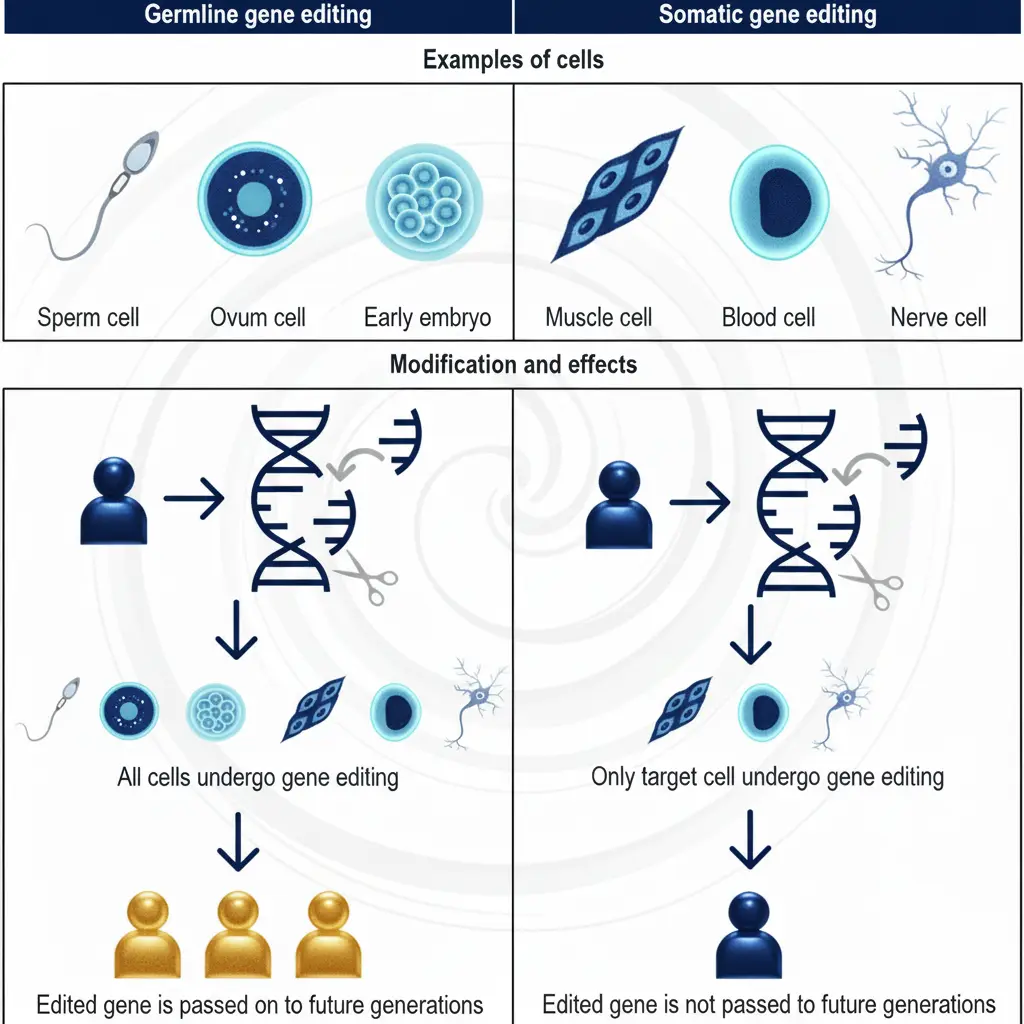
Gene Modification Approaches
Gene modification can involve **gene addition** (inserting a healthy gene), **gene silencing** (switching off harmful genes), or **gene editing** using tools like CRISPR, which precisely cut and correct DNA errors. These techniques help tackle complex genetic disorders.
Role of Vectors
Viral vectors like adenoviruses and lentiviruses are widely used because they easily enter cells. Non-viral vectors, such as nanoparticles, are emerging as safer alternatives. The choice of vector depends on disease type, target tissue, and safety requirements.
Importance in Modern Medicine
Gene therapy offers hope for conditions previously considered incurable, such as spinal muscular atrophy, certain cancers, and rare metabolic disorders. Its targeted approach reduces long-term treatment costs and improves patients’ **quality of life significantly**.
Gene Therapy in Cancer Treatment
In oncology, gene therapy helps by boosting immune responses, repairing faulty tumor-suppressor genes, or making cancer cells more sensitive to drugs. **CAR-T cell therapy**—where T-cells are genetically modified—is a successful example in blood cancers.
While promising, gene therapy raises ethical debates on human genetic modification, **fairness in access**, and potential misuse. Safety concerns include **immune reactions, off-target gene edits**, and long-term impacts that may not yet be fully understood.
Global Developments
Countries like the US, Japan, and the EU lead in approved gene therapy products and clinical trials. Several therapies, such as **Luxturna and Zolgensma**, are globally recognized milestones that show the medical community’s growing confidence in genetic solutions.
Indian Developments
India is expanding gene therapy capabilities through institutions like CSIR-IGIB and IITs. The launch of the **‘National Gene Therapy Programme’** and affordable CAR-T cell therapy trials mark major progress, aiming to reduce dependency on costly foreign treatments.
With falling technology costs and improved regulatory frameworks, gene therapy is expected to become more **accessible**. Advances in **precision editing** and personalized medicine will further strengthen its role in treating genetic and non-genetic diseases.
Department of Biotechnology
Department of Biotechnology (DBT)
Introduction
The **Department of Biotechnology (DBT)** is a key department under the Ministry of Science and Technology, established in **1986**. It promotes biotechnology research, innovation, capacity-building, and application of biological sciences to improve **health, agriculture, environment, and industry** in India.
Position Under Government Structure
DBT functions under the **Ministry of Science and Technology**, alongside DST and CSIR. It coordinates national biotechnology programs, funds research institutions, and supports public–private partnerships to expand India’s bio-economy.
Why DBT Was Created
The rapid advances in genetic engineering, microbiology, and bioprocessing during the 1980s created a need for a dedicated body. DBT was formed to harness biotechnology for **national development** and ensure safe, ethical, and regulated use of emerging biological technologies.
Promote Biotechnology Research
DBT’s core objective is to strengthen research in areas like **genomics, stem cells, microbial technology, vaccinology, and bioinformatics**. It provides grants, research fellowships, and infrastructure support to universities and national laboratories.
Build Skilled Human Resources
DBT focuses on training scientists, students, and technicians through **postgraduate programs** (e.g., DBT-supported M.Sc. Biotechnology), fellowships, skill development courses, and international collaboration schemes.
Strengthen Biotechnology Infrastructure
The Department develops national facilities such as **bioinformatics centers, tissue-culture repositories, and translational research hubs**. These shared facilities help researchers access high-end laboratories without duplicating costs.
Support Innovation and Startups
DBT promotes biotech innovation through **BIRAC (Biotechnology Industry Research Assistance Council)**. It nurtures startups working on vaccines, diagnostics, agricultural biotechnology, and clean energy solutions.
Enhance Bio-Economy and Industry Linkages
Another goal is to create a strong biotechnology-based industry. DBT supports **biopharma manufacturing, biofuel development, fermentation technologies**, and agricultural biotech products through funding and incubation support.
Ensure Biosafety and Ethical Standards
The Department frames guidelines on **genetically modified organisms (GMOs)**, bio-risk management, and ethical use of biotechnology. It works with regulators like the Genetic Engineering Appraisal Committee (GEAC).
Policy Formulation
DBT drafts **national biotechnology policies**, mission documents, and sectoral roadmaps. It coordinates with ministries like Health, Agriculture, and Environment to integrate biotech applications into national programs.
Funding and Project Management
The Department evaluates and **funds R&D projects** across universities, IITs, IISERs, AIIMS, and autonomous institutes. It monitors progress and ensures efficient use of public funds.
Promote Translational Research
DBT bridges laboratory research and industry-scale applications. For example, DBT-backed **vaccine platforms** were crucial during COVID-19 for accelerating indigenous vaccine development.
International Collaboration
DBT partners with countries like the **USA, UK, EU nations, Japan, and South Korea**. These tie-ups help Indian scientists access global expertise and advanced research training.
Public Outreach and Societal Programs
The Department supports biotechnology for societal benefits—such as **biofortified crops, low-cost diagnostics, and biodegradable materials**—ensuring scientific innovation reaches farmers, patients, and local communities.
Genetic Engineering Appraisal Committee
Genetic Engineering Appraisal Committee (GEAC)
The Genetic Engineering Appraisal Committee (GEAC) is India’s **apex regulatory body** overseeing the use, release, and approval of **genetically modified organisms (GMOs)**. It ensures that biotechnology applications progress safely without harming human, animal, or environmental health.
Location and Ministry
GEAC functions under the **Ministry of Environment, Forest and Climate Change (MoEFCC)**. The committee derives its authority from rules notified under the **Environment (Protection) Act, 1986**, making it India’s central decision-making body for GMO regulation.
Legal Basis
The statutory foundation of GEAC comes from the **Rules, 1989** (Rules for the Manufacture, Use, Import, Export and Storage of Hazardous Microorganisms/GMOs). These rules legally empower GEAC to approve or reject activities involving genetically engineered products.
Why GEAC Was Created
GEAC was established to create a **structured, science-based system** for assessing new biotechnology products. The aim was to prevent unregulated experimentation while encouraging innovation in agriculture, medicine, and industry through safe genetic engineering practices.
Core Mandate
The central mandate of GEAC is to examine the **environmental and biosafety risks** associated with GMOs. It evaluates scientific data, field trial outcomes, and impact assessments before any GMO moves from laboratory research to larger-scale use.
Functions and Powers
GEAC approves proposals related to **field trials, commercial release, and large-scale production** of GM crops and other engineered organisms. It can impose conditions, suspend approvals, or mandate monitoring measures to ensure compliance with safety standards.
Role in Agricultural Biotechnology
In agriculture, GEAC examines whether GM crops—such as **Bt cotton or Bt brinjal**—are safe for soil health, biodiversity, and non-target organisms. It ensures that research benefits farmers while preventing ecological disruptions.
Role in Medical and Industrial Biotechnology
For health and industry, GEAC evaluates genetically engineered **vaccines, microorganisms used in waste treatment**, or microbial enzymes used in industry. It ensures that these applications meet biosafety guidelines before entering the market.
Multidisciplinary Structure
GEAC includes scientists from biotechnology, ecology, toxicology, agriculture, health sciences, and environmental engineering. Such **multidisciplinary representation** helps in making balanced decisions that combine scientific, social, and ecological perspectives.
Monitoring and Enforcement
Once approvals are given, GEAC oversees compliance through **inspections, progress reports, and biosafety audits**. It coordinates with state committees and institutional biosafety boards to ensure consistent on-ground implementation.
Example for Easy Understanding
For example, before a **GM mustard variety** is released for cultivation, GEAC reviews its allergenicity data, pollen-flow studies, yield comparisons, and environmental impact reports. Only after **multilayer testing** can commercial approval be granted.
Biotechnology Industry Research Assistance Council
Biotechnology Industry Research Assistance Council (BIRAC)
The Biotechnology Industry Research Assistance Council (**BIRAC**) is a **Section 8, not-for-profit public sector enterprise** that supports innovation and entrepreneurship in India’s biotechnology sector. It bridges government, industry, and academia to accelerate biotech-based solutions.
BIRAC functions under the **Department of Biotechnology (DBT)**, which is part of the **Ministry of Science and Technology**. Its role aligns with national goals of strengthening scientific research, promoting innovation, and building a globally competitive biotech ecosystem.
Purpose of Establishment
Created in **2012**, BIRAC was set up to reduce the **"innovation gap"** between academic research and industrial application. It aims to convert promising scientific ideas into products that address national needs in healthcare, agriculture, and industrial biotechnology.
Broad Mandate of BIRAC
The Council works as a **catalyst for biotech innovation** by funding start-ups, mentoring researchers, and enabling technology transfer. Its mandate focuses on improving India’s capacity for **affordable, scalable, and inclusive** biotechnology solutions.
BIRAC’s main objective is to promote a **vibrant biotech innovation ecosystem**. It supports idea-to-market journeys through funding, partnerships, incubation programs, and strategic scientific guidance across different subsectors of biotechnology.
6. Strengthening Start-Up Culture
One core objective is to nurture biotech start-ups through **grants and seed funds**. Programs like **BIG (Biotechnology Ignition Grant)** help early-stage innovators test feasibility of new ideas with small but impactful financial assistance.
7. Promoting Public–Private Partnerships
BIRAC encourages deep collaboration between **industry and academia**. It supports joint research projects, shared facilities, and technology development programs that make innovation more efficient and commercially viable.
8. Ensuring Affordable Innovation
A crucial aim is to create **low-cost, high-quality biotech products**. This supports India’s broader development missions, such as improving rural healthcare, affordable diagnostics, and sustainable agricultural technologies.
BIRAC designs and executes competitive funding programs. These include **grants, equity funding, and co-funding models**. Each scheme targets a specific innovation stage—idea validation, prototype development, pilot production, or scale-up.
10. Capacity Building & Mentorship
The Council runs **training programs, workshops, and incubation networks**. It helps start-ups improve technical skills, regulatory readiness, intellectual property management, and business planning—key aspects for market success.
11. Creating Innovation Ecosystems
Through **Bio-incubators, technology clusters, and innovation hubs**, BIRAC provides shared labs and testing facilities. This reduces research costs and ensures access to advanced equipment for small or early-stage innovators.
12. Translational Research Support
BIRAC supports **translational research** that moves laboratory findings toward real-world products. This includes clinical validation, field testing, quality certification, and regulatory approvals.
BIRAC plays a strategic role in making India a **global biotech hub**. Its support has led to breakthroughs in vaccines, diagnostics, agri-biotech tools, and clean biological processes, strengthening national self-reliance.
Biotechnology Regulatory Authority of India
Biotechnology Regulatory Authority of India (BRAI)
A Proposed but Unenacted Regulatory Framework
Concept and Status
The **Biotechnology Regulatory Authority of India (BRAI)** was a proposed body intended to be the **central regulator** for biotechnology products in India. The BRAI bill was drafted, but it was **never passed into law**, and the authority was therefore not established.
Single-Window Approval
The BRAI was conceived to create a **single-window system** for scientific risk assessment and approval of **all modern biotechnology products**, streamlining the regulatory process from research to commercial use.
Comprehensive Regulation
It was intended to regulate the research, transport, import, containment, **environmental release**, manufacturing, and use of **biotech products and organisms** (including Genetically Modified Organisms or GMOs).
Proposed Structure
The proposed authority would have consisted of a **chairperson**, **full-time members**, and **part-time members** with expertise in various fields of biotechnology to ensure expert evaluation.
Current Status (Crucial Point)
The BRAI bill was **never passed into law**, and consequently, the authority was **not established**. The regulation continues to be managed by the existing multi-agency framework.
Department of Biotechnology (DBT)
The primary government department for promoting **biotechnology research**, developing **policies**, and providing **funding** for the sector under the Ministry of Science & Technology.
Genetic Engineering Appraisal Committee (GEAC)
A statutory body under the Ministry of Environment, Forest and Climate Change ($MoEFCC$) that evaluates and approves the research, development, and **commercial release of Genetically Modified Organisms (GMOs)** to ensure environmental safety.
Drug Controller General of India (DCGI)
An authority under the Ministry of Health and Family Welfare ($MoHFW$) responsible for the regulation and **approval of biopharmaceuticals, vaccines**, and other biotech products intended for **human use**.
India’s biotechnology sector is currently regulated by a **multi-agency structure** (DBT, GEAC, DCGI) rather than a single unified body. Knowledge of this existing framework is essential as the proposed BRAI, designed to create a **statutory, single-window clearance** mechanism, did not materialize.
No comments:
Post a Comment