

Biology as a Science
Meaning of Biology
Biology is the scientific study of **living organisms**, covering their structure, function, growth and interactions. It helps explain how life works at cellular, organismal, and ecosystem levels.
Biology as an Evidence-Based Discipline
Biology relies on **systematic observation**, controlled experiments, and verifiable evidence. Concepts like cell structure or genetics are accepted only after repeated scientific testing and global validation.
Scope of Biology
Biology includes major branches such as **botany, zoology, microbiology, ecology, and genetics**. Each branch focuses on specific aspects of life, making biological knowledge broad, interconnected, and multidisciplinary.
Cellular Basis of Life
All living organisms are made of **cells**, the smallest functional units of life. For example, bacteria have single cells, while humans contain trillions performing specialised tasks.
Unity and Diversity of Life
Biology explains how all organisms share basic life processes—**nutrition, respiration, reproduction**—yet show vast diversity. For instance, insects breathe through spiracles while humans use lungs, serving the same purpose.
Biology and Human Health
Biology helps understand diseases, immunity, nutrition, and public health. Concepts like **vaccination, pathogens, or antibiotics** come directly from biological research and daily healthcare practices.
Biology and Environment
Biology studies how organisms interact with **ecosystems**. Food chains, nutrient cycles, and climate impacts on species highlight the importance of biological understanding in conservation and sustainable development.
Application in Technology
Modern fields like **biotechnology, genetic engineering, agriculture, and medicine** rely heavily on biology. Examples include insulin production using microbes and high-yield crops developed through scientific breeding.
Understanding **Biology** is essential for UPSC General Science as it provides the foundation for comprehending life systems, health, and environmental challenges, directly linking to topics in science & technology and ecology.
Plant Kingdom: General Overview
Plants are **multicellular, photosynthetic organisms** forming the foundation of all terrestrial ecosystems. They show increasing complexity from simple, non-vascular groups to highly advanced, seed-bearing flowering plants.
Definition & Example
Bryophytes include **mosses and liverworts**. They are non-vascular plants requiring **moist habitats** for reproduction. Their body shows clear **alternation of generations**. Example: *Funaria*. They prevent soil erosion on slopes.
Key Features
Bryophytes lack **true roots, stems, and leaves**. Water directly helps in fertilisation, limiting their distribution. They act as **ecological indicators of moisture** and serve as pioneer colonisers on bare rocks.
Vascular Development
Pteridophytes were the first plants to develop **vascular tissues (xylem and phloem)** for transport. They grow in shady, humid areas. Example: **ferns, *Equisetum***. They reproduce through spores, not seeds.
Significance
These plants **stabilise forest floors**, add organic matter, and show a **dominant sporophyte stage**. Their vascular system marks a major evolutionary advancement in land plant survival and growth.
Naked Seeds
Gymnosperms produce seeds **not enclosed within fruit**. They are mostly woody trees with **needle-like leaves**, helping survival in cold regions. Example: **pine, cycas**. They represent early seed evolution.
Ecological Role
Gymnosperms form major forest types in **temperate regions**. Their **wood, resin, and oils** are economically valuable. They show long life cycles and high **resilience to environmental stress**.
Most Evolved Group
Angiosperms are the **most evolved and diverse group**. They possess **flowers, fruits, and enclosed seeds**. Example: **mango, wheat, neem**. Efficient pollination and fruit formation aid wide distribution.
Importance
They **dominate global vegetation**, provide **food, fibres, medicine, and oxygen**. Their specialised reproductive structures ensure rapid evolution, making them central to human agriculture and ecosystems.
Animal Kingdom – General Aspects
Animals are **multicellular, eukaryotic** organisms that lack cell walls and depend on other sources for food (**heterotrophic**). They show high diversity in body form, habitat, and biological functions.
Key Taxonomic Criteria
Animals are classified using key criteria such as **body symmetry, germ layers, coelom type, segmentation**, and **organ-system organisation**. These features help trace evolutionary relationships across different groups.
Cellular Level
Primitive groups like **sponges (Porifera)** show a **cellular level of organisation**, where cells are loosely arranged and lack true tissues.
Tissue & Organ-System Levels
**Cnidarians** have tissue-level organisation. Higher animals show complete **organ-system levels** for efficient body functioning.
Radial & Asymmetry
Animals may show **asymmetry** (sponges) or **radial symmetry** (jellyfish). Radial symmetry aids sessile or slow-moving organisms.
Bilateral Symmetry
**Bilateral symmetry** (most animals) improves movement and directional sensing, correlating with cephalization (development of a head).
Diploblastic
Animals may be **diploblastic** (e.g., Cnidarians) with two germ layers: **ectoderm** and **endoderm**.
Triploblastic
**Triploblastic** organisms (e.g., Platyhelminthes to Chordates) have three layers: **ectoderm, endoderm**, and **mesoderm**.
Types of Coelom
The **coelom** is a fluid-filled body cavity that cushions organs. Animals may be **acoelomate** (no cavity), **pseudocoelomate** (false cavity), or **coelomate** (true cavity).
Coelomate Advantage
**Coelomates** (e.g., earthworms, humans) show efficient organ placement, greater body flexibility, and advanced internal systems.
**Segmentation** (or metamerism) divides the body into repetitive units, allowing for **better movement and functional specialization**. Examples include **Annelids** (earthworms) and **Arthropods** (insects).
Notochord Criteria
The presence or absence of a **notochord** (a flexible rod supporting the body) is a major classification factor, separating two major evolutionary lines.
Chordates vs. Non-Chordates
**Chordates** possess a notochord at some stage of life, while **Non-chordates** lack it entirely, marking a fundamental difference in body plan.
Animals occupy varied habitats including **terrestrial, aquatic, and aerial** environments. Adaptations like fins, wings, and protective coverings enable survival in diverse ecological conditions.
Heterotrophic Requirement
All animals are **heterotrophic**, meaning they must ingest food. Their feeding patterns are shaped by habitat and evolutionary needs.
Nutritional Strategies
**Herbivores, carnivores, omnivores**, and **parasites** represent diverse nutritional strategies, each adapted to specific energy sources.
Sexual Reproduction
Most animals reproduce **sexually**, which enables **genetic diversity** and aids adaptation to changing environments.
Asexual Modes
Some groups also show **asexual modes** like **budding** in hydra and **fragmentation** in planaria.
System Complexity
Lower animals may have simple or **absent circulatory and nervous systems**, while higher groups show **complex networks** supporting efficient transport and coordinated responses.
Scientific classification helps understand **evolutionary relationships, compare organ systems**, and study **biodiversity**. It is crucial for **conservation planning** and effective ecological assessment.
Cell: An Overview
The cell is the basic **structural and functional unit of life**. All living organisms, from tiny bacteria to humans, are made of cells. Cells perform essential life processes like nutrition, respiration, and reproduction.
Discovery of the Cell
Robert Hooke first observed non-living cells in cork (1665), giving them their name. **Anton van Leeuwenhoek** later observed living cells (like protozoa and sperm), establishing that life is built from microscopic units.
Prokaryotic vs. Eukaryotic
Prokaryotic cells (e.g., bacteria) **lack a nucleus** and membrane-bound organelles. Eukaryotic cells (e.g., plants, animals) have a defined nucleus and advanced organelles, making them structurally more complex.
Plant Cell vs. Animal Cell
Plant cells possess a rigid **cell wall**, **chloroplasts** (for photosynthesis), and a large central vacuole. Animal cells lack these features but have **centrioles** aiding in cell division.
Roles of Key Organelles
Organelles increase cell efficiency through compartmentalization. **Mitochondria** are the site of energy production (ATP), **ribosomes** are protein synthesis factories, and the **endoplasmic reticulum** is crucial for material transport.
Need for Classification
Classification brings **order** to biological diversity. It helps systematically study millions of species, understand **evolutionary relationships**, and allows for easy identification, preventing chaotic or repetitive research.
Basis of Classification
Organisms are classified based on fundamental characteristics: **cell structure** (Prokaryotic/Eukaryotic), **mode of nutrition** (Autotrophic/Heterotrophic), **body organization** (Unicellular/Multicellular), and their **evolutionary relationships**.
Overview (R.H. Whittaker)
The five-kingdom system, proposed by **R.H. Whittaker**, is widely used. It includes **Monera, Protista, Fungi, Plantae, and Animalia**, grouping organisms with similar traits like cell type, nutritional pattern, and body organization.
Monera and Protista
**Monera** includes **bacteria**—unicellular and **prokaryotic**. **Protista** includes simple eukaryotic organisms (e.g., algae, protozoa like *Amoeba*), which are unicellular or simple multicellular.
Fungi, Plantae, and Animalia
**Fungi** are heterotrophic and absorb nutrients from decaying matter. **Plantae** are autotrophic (photosynthesis). **Animalia** are heterotrophic, depend on others for food, and typically exhibit movement and complex organ systems.
Cellular Foundation
Understanding cells is foundational, as it explains the working of **organs and systems** (e.g., cellular respiration, nerve impulse generation). It is the basis for all advanced study in biology and medicine.
Tracing Relationships
Classification helps trace **evolutionary paths** and supports applied fields like **medicine, agriculture, and ecology** by accurately identifying and grouping organisms, which is vital for research and policy decisions.
Cell Components and Functions
Cells are the **fundamental structural and functional units of life**. All organisms—from bacteria to humans—are made of cells. They perform essential activities like energy production, growth, reproduction, and response to stimuli.
To grasp the overall structure, refer to this visual diagram. [Image of Labeled structure of a typical Eukaryotic Animal Cell]
Function: Selective Barrier
The cell membrane is a thin, flexible boundary **regulating entry and exit of substances**. It maintains internal balance (homeostasis). For example, nutrients enter while waste products exit through controlled transport mechanisms such as diffusion.
Cytoplasm is the **fluid-filled interior** where most metabolic reactions occur. It contains enzymes, nutrients, and organelles. Simple processes like protein formation and energy release begin here, making it the cell’s **main working space**.
Function: Genetic Control
The nucleus contains **DNA**, which holds genetic information. It controls growth, division, and cell activities. In simple terms, it functions like the **“brain of the cell.”** For example, it directs protein synthesis through coded instructions.
Mitochondria generate cellular energy in the form of **ATP** through respiration. Cells requiring more energy—like muscle cells—contain more mitochondria. Because they produce usable energy, they are widely known as the **“powerhouse of the cell.”**
Function: Protein Synthesis
Ribosomes are tiny structures responsible for **protein synthesis**. They may float freely in the cytoplasm or attach to the endoplasmic reticulum. Proteins produced here support body functions like immunity, tissue repair, and hormone formation.
The ER occurs in two forms—**rough ER** (with ribosomes) and **smooth ER** (without ribosomes). Rough ER processes proteins, while smooth ER helps produce lipids. Together, they form a **transport network** for cellular materials.
Function: Packaging and Sorting
The Golgi apparatus **modifies, stores, and packages** substances made in the cell. For example, hormones and enzymes are packed into vesicles before being sent to their target locations. This acts like the cell's **"post office."**
Lysosomes contain **digestive enzymes** that break down harmful substances and worn-out organelles. They protect the cell by destroying invading microbes. This is why they are often called the **“suicide bags”** of the cell.
Function: Storage and Support
Vacuoles store water, minerals, and waste materials. They are large in plant cells and help maintain shape through **turgor pressure**. In animal cells, vacuoles are smaller but essential for storage and transport.
| Organelle | Function | Simple Point |
|---|---|---|
| **Cell Membrane** | Controls entry/exit | Selective barrier |
| **Cytoplasm** | Medium for metabolic reactions | Supports organelles |
| **Nucleus** | Controls activities (contains DNA) | “Brain” of cell |
| **Mitochondria** | Produces energy (**ATP**) | Power house |
| **Ribosomes** | Protein synthesis | Protein factory |
| **ER** | Transport + synthesis | Rough: protein; Smooth: lipid |
| **Golgi Apparatus** | Packaging + secretion | Post office |
| **Lysosomes** | Digestion + waste removal | Suicide bags |
| **Vacuoles** | Storage + support | Water/food reservoir |
Stem Cells — Concepts, Overview & Significance
Stem cells are **special cells** with the unique ability to develop into different types of body cells. They act as the body’s **internal repair system** and help replace damaged or aging tissues. This makes them central to modern regenerative science.
Cellular Specialization
Differentiation refers to the process by which a stem cell transforms into a **specialized cell** such as a muscle cell, nerve cell or blood cell.
Role in the Body
This ability gives stem cells an essential role in **growth, healing**, and **maintaining** the body by replacing damaged or lost specialized cells.
Classification Overview
Stem cells are broadly of three types: **embryonic, adult (somatic)** and **induced pluripotent stem cells (iPSCs)**. Each type differs in its potential and source.
Potential Variation
The type determines their **pluripotency** (ability to form many tissues) and is a key factor in their therapeutic application and the ethical framework surrounding their use.
Source and Potential
These cells come from **early-stage embryos** and can develop into nearly all cell types (pluripotent). They have **high therapeutic potential** but also raise **ethical issues** due to the source of extraction.
These cells exist in specific body tissues like **bone marrow and skin**. They help **repair tissue damage** naturally. Their potential is **more limited** (multipotent) compared to embryonic stem cells but they are generally **ethically acceptable** for use.
Reprogramming Technology
iPSCs are normal body cells that scientists **genetically reprogram** into stem cells. They behave like embryonic stem cells but **avoid ethical concerns**, making them valuable for research and therapy.
Key Biological Sources
Common sources include **bone marrow**, **umbilical cord blood**, placenta, and adipose (fat) tissue.
Practical Example
**Cord blood banking** is often cited as a practical example of stem cell preservation for future medical use by the family.
Therapeutic Treatment
Stem cells help treat conditions such as **blood cancers** (like leukemia), severe burns, corneal damage, and immune disorders.
Transplantation Example
**Bone marrow transplantation** replaces diseased blood cells with healthy stem cells in patients suffering from leukemia.
Modeling Diseases
Stem cells enable scientists to study early human development, test new drugs, and **model genetic diseases safely** in a laboratory setting.
iPSC Applications
**iPSC-based disease models** help understand complex disorders like Parkinson’s and diabetes without relying on human embryos.
Concerns and Governance
Key concerns include **embryo destruction** (for ESCs), **consent** for cell donation, and the risk of **misuse** in unregulated clinics. India’s **ICMR guidelines** and global regulations ensure ethical research and discourage commercial exploitation.
Stem cell technology is advancing towards **personalized regenerative medicine**, organ repair, and lab-grown tissues (**organoids**).
Though challenges remain, it offers **transformative possibilities** for healthcare, disease management, and long-term treatment strategies.
Human Physiology — Concepts, Overview & Significance
Human physiology studies how different **systems of the human body** work together to maintain life. It focuses on functions like breathing, circulation, digestion, and neural control. Understanding these processes helps explain how the body adapts to daily demands and stress.
Maintaining Internal Stability
Homeostasis is the body’s ability to maintain a stable internal environment despite external changes. Examples include constant **body temperature**, balanced water levels, and regulated blood glucose. This self-regulation allows organs to function efficiently and prevents physiological disorders.
The nervous system enables quick responses through **electrical signals**. The brain processes information, while the spinal cord and nerves relay messages. Reflex actions, like instantly pulling a hand from a hot object, show rapid **neural coordination** essential for survival.
Hormonal Balance
Endocrine glands release **hormones** directly into the bloodstream. These regulate **growth, metabolism, stress response, and reproduction**. For example, **insulin** from the pancreas controls blood sugar. Hormonal balance ensures smooth functioning of long-term physiological activities.
Metabolism Control
The endocrine system plays a critical role in managing the body's energy use and storage. The thyroid gland regulates the **rate of metabolism**, while adrenal glands manage the **stress response** by releasing adrenaline and cortisol, maintaining internal harmony.
The **circulatory system** delivers oxygen and nutrients to tissues and removes waste products. The heart pumps blood through arteries and veins. **White blood cells** defend the body from infections, making circulation vital for both energy supply and immunity.
Oxygen and $\text{CO}_2$ Balance
The **respiratory system** brings oxygen into the body and removes carbon dioxide. Lungs contain tiny sacs called **alveoli** where gas exchange takes place. For instance, during exercise, breathing rate increases to meet higher oxygen demand. This process is crucial for cellular respiration and energy production.
Digestion converts complex food into simple, absorbable nutrients. The stomach breaks proteins, while the small intestine absorbs **glucose, fats, and vitamins**. This energy fuels cellular activities and supports growth and repair.
Blood Filtration
The **kidneys** filter blood to remove **urea, toxins, and excess water**. They maintain salt balance and regulate **pH**. Example: increased urine output after drinking excess water reflects active fluid regulation. This process is essential for preventing the buildup of harmful waste products.
Fluid & Electrolyte Balance
Beyond removing waste, the excretory system, primarily the kidneys, ensures proper **fluid and electrolyte balance**. They precisely control how much water, sodium, and potassium are retained or excreted, which directly impacts blood pressure and nerve function.
**Bones** provide structure, while **muscles** generate movement through contraction. Joints enable flexibility for walking, lifting, or running. Physical activities rely on coordinated muscle-bone interaction supported by adequate nutrition and exercise.
Human physiology builds the foundation for understanding **diseases, healthcare, nutrition, and public health**. For UPSC, it helps link biological concepts with policy issues like **healthcare delivery, lifestyle diseases, maternal health**, and environmental effects on human well-being.
Bryophytes
Plant Kingdom – Bryophytes
Bryophytes are the **simplest land plants** that bridge the gap between algae and vascular plants. They grow in moist, shady places and show clear adaptation from water to land.
Lack of True Structure
Bryophytes lack **true roots, stems, and leaves** but possess leaf-like and stem-like structures.
Non-Vascular Nature
They **do not have vascular tissues**, so water transport is slow and depends on surface absorption.
These plants prefer **damp soil, wet rocks, tree trunks, and shaded forests**. Their distribution reflects their dependence on water, especially for reproduction and nutrient movement.
Gametophyte Dominance
Bryophytes have a unique life cycle **dominated by the gametophyte stage**. The green, photosynthetic plant body represents the gametophyte.
Sporophyte Dependency
The **dependent sporophyte** grows on the main gametophyte body for nutrition and support.
**Water is essential for fertilization** because male gametes are motile. The resulting zygote forms a sporophyte, which produces spores that germinate into new gametophytes, continuing the cycle.
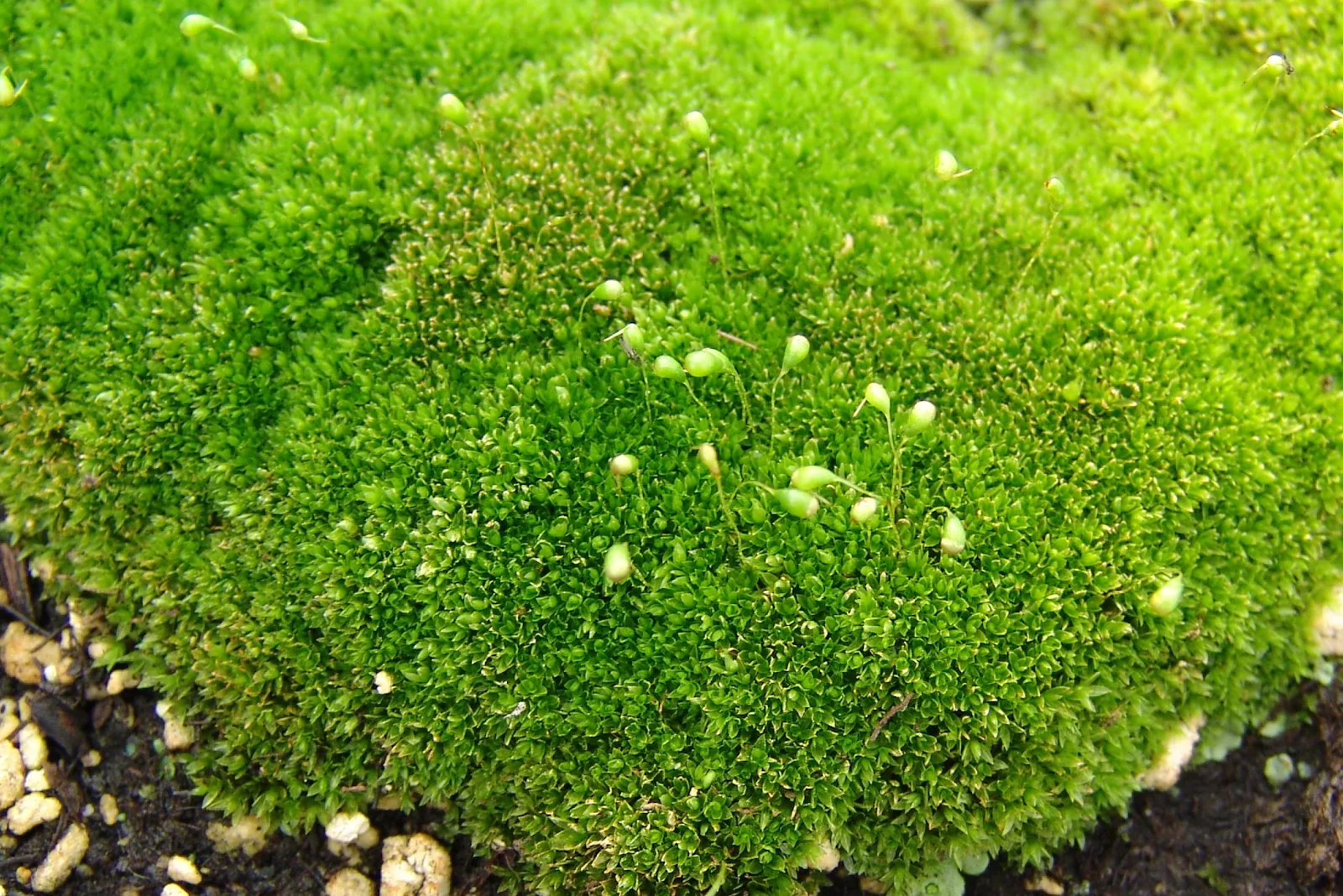

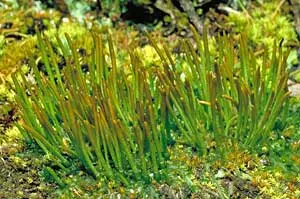
Figures: Mosses, Liverworts, and Hornworts
Bryophytes include **Mosses, Liverworts, and Hornworts**.
- **Mosses** (e.g., *Funaria*) show leafy gametophytes.
- **Liverworts** (e.g., *Riccia*) have flat thalli.
- **Hornworts** (e.g., *Anthoceros*) have horn-like sporophytes.
Soil Stability
Bryophytes **prevent soil erosion** by forming dense mats and help in early **soil formation** on barren surfaces.
Moisture & Microhabitats
They **retain moisture** in ecosystems and support microhabitats for insects, fungi, and small invertebrates.
**Peat moss** (*Sphagnum*) is widely used in **horticulture for water retention**. Other bryophytes also aid in **bioindication**, helping assess environmental pollution levels.
Pteridophytes
Plant Kingdom – Pteridophytes
Introduction to Pteridophytes
Pteridophytes are the **first vascular plants** possessing **xylem and phloem**. They show clear differentiation into **root, stem, and leaves**, marking a major evolutionary step beyond bryophytes.
Habitat and Adaptation
Pteridophytes dominate **moist, shady habitats**, though many adapt to open areas. Their vascular tissues enable **efficient water transport**, supporting larger plant bodies compared to non-vascular groups.
Dominant Sporophyte Generation
The **sporophyte** is the main plant body, unlike bryophytes where gametophyte dominates. This shift reflects **increasing independence from water** and greater structural complexity.
Reproduction through Spores
Pteridophytes reproduce via haploid **spores** formed in **sporangia**. Spores germinate into a small, heart-shaped **gametophyte** called **prothallus**, which bears both male and female reproductive organs.
Dependence on Water for Fertilization
Though vascular, they still **require water for fertilisation**. Sperm must swim to the egg on the gametophyte. This restricts their distribution mainly to **humid environments**.
Vascular Tissue Advantage
The presence of **xylem and phloem** allows efficient conduction of water, minerals, and food. This supports **height, branching**, and survival under diverse ecological conditions.
Leaves: Microphylls and Macrophylls
Pteridophyte leaves are of two key types—**microphylls** (small, single-vein leaves seen in *Lycopodium*) and **macrophylls** (broad, multi-veined leaves characteristic of ferns).
Sporophylls and Strobilus Formation
Special reproductive leaves called **sporophylls** may aggregate to form **strobili or cones**. These structures protect sporangia and improve spore dispersal efficiency.
Heterospory: A Step Toward Seeds
Some pteridophytes like *Selaginella* and *Isoetes* produce two spore types—**microspores** and **megaspores**. **Heterospory** is considered a crucial evolutionary link towards seed habit.
Economic and Ecological Importance
Pteridophytes help in **soil formation, moisture conservation**, and carbon fixation. Ferns are widely used as **ornamentals**, while species like *Equisetum* aid in scouring due to silica-rich stems.
Representative Examples
Common examples include **Lycopodium** (club moss), **Selaginella** (spike moss), **Equisetum** (horsetail), **Adiantum** (maidenhair fern), and typical **tree ferns** found in tropical forests.
Gymnosperms
Plant Kingdom — Gymnosperms
Gymnosperms are **seed-producing plants** where seeds remain “naked”, meaning they are **not enclosed in fruits** (the term *gymnos* means naked, *sperma* means seed). They represent an important evolutionary stage between Pteridophytes (spore-bearers) and flowering plants (Angiosperms).
Key Characteristics
Gymnosperms possess **vascular tissues** (xylem/phloem), produce seeds without fruits, and usually show **woody growth**. Their leaves are often **tough and needle-like**, helping them survive extreme cold and dry climates.
Reproductive Features
Gymnosperms reproduce through **cones**, not flowers. Male and female cones occur separately, and **wind carries pollen grains** to female cones, enabling external pollination and subsequent seed formation.
Seeds develop **exposed on the surface of scales** (megasporophylls) within the female cone, unlike angiosperms where seeds stay enclosed inside fruits (ovary walls). This naked condition reflects an **ancient reproductive strategy** adapted to harsh environments.
Dominant Sporophyte
The **sporophyte (2n)** is the dominant and long-lived stage, representing the entire plant body, including cones and seed-bearing structures. The **gametophyte** stage remains tiny and highly dependent, contained within the cones.
Adaptations to Climate
Gymnosperms thrive in **cold mountains**, dry regions, and nutrient-poor soils. Their **thick cuticle**, sunken stomata, and needle-like leaves (reducing surface area) are key features that minimize **water loss**, supporting survival in extreme climates.
Most gymnosperms are **conifers** (cone-bearing), forming large forests in temperate regions. They typically grow tall and straight, allowing efficient sunlight capture and **strong wood formation**. A classic example is the **Pinus** tree. [Image of a Coniferous Forest biome]
Economic Importance
Gymnosperms are vital sources of **timber**, **resin** (used in varnishes and adhesives), **turpentine**, and **paper pulp**. **Ephedra** species yield the medicinal compound **ephedrine**, highlighting their pharmacological value.
Major Groups
The main groups include **Coniferales** (Pines, Cedars), **Cycadales** (Cycas), **Ginkgoales** (*Ginkgo biloba*), and **Gnetales**. Conifers dominate globally, while *Ginkgo biloba* is famously known as a **“living fossil.”**
Examples and Significance
Common examples include **Pinus, Cycas, Cedrus** (*Deodar*), **Abies, Ginkgo**, and **Ephedra**. Gymnosperms mark the evolutionary shift from spore-based reproduction to **seed-based survival**, enabling plants to colonize land more effectively and paving the way for modern flowering plants.
Angiosperms
Plant Kingdom – Angiosperms
Angiosperms are **flowering plants** that produce seeds enclosed within fruits. They dominate most terrestrial habitats due to efficient reproduction and diverse adaptive features.
Reproductive Structures
Angiosperms form **flowers for reproduction** and develop **seeds inside fruits**. These are their primary defining features, enabling targeted reproduction.
Vascular System
They possess specialized **vascular tissues** (xylem and phloem). This advanced system supports larger growth, helping them become the most evolved and widely distributed plant group.
Flowers contain male and female structures together or separately. Their **bright colors, scent, and nectar attract pollinators** (insects, birds), increasing reproduction efficiency through targeted pollen transfer.
Dual Fusion Process
Angiosperms show **double fertilization** where one sperm forms a **zygote** (future embryo) while the other sperm forms the **endosperm** (nutritious tissue).
Embryo Nourishment
This process is unique to Angiosperms and ensures a **nutritious food source** for embryo development in the form of endosperm, significantly improving seed survival.
After fertilization, the **ovary matures into a fruit** that protects seeds and aids dispersal. Fruits enable wide seed distribution through animals, wind, and water. Examples include **mango, coconut, and pods.**
Efficient Transport
Well-developed **xylem** (water/minerals) and **phloem** (food) ensure efficient transport throughout the plant, supporting complex physiological functions.
Dominance Factor
This advanced **vascular system** supports the ability of Angiosperms to grow larger and adapt better, helping them dominate diverse environments like forests and fields.
Angiosperms are broadly classified into **Monocots** (Monocotyledons) and **Dicots** (Dicotyledons). The classification is based on seed leaves, leaf venation, root type, and floral arrangement—useful for identifying plant groups.
Monocots (Mono)
Have **one cotyledon**, **parallel leaf veins**, fibrous roots, and floral parts in multiples of three. Examples: **rice, wheat, sugarcane, banana, and grasses.**
Dicots (Di)
Possess **two cotyledons**, **net-like venation**, taproot systems, and floral parts in multiples of four or five. Examples: **mango, neem, sunflower, mustard, and legumes.**
Angiosperms provide **food, medicines, fibers, oils, and timber**. Cereals (wheat, rice), fruits, vegetables, pulses, and medicinal herbs all come from angiosperms, forming the backbone of human civilization.
Ecosystem Services
They maintain ecosystem balance by producing **oxygen**, supporting **pollinators**, preventing **soil erosion** (roots), and forming complex food webs.
Ecological Stability
Their sheer **diversity** ensures ecological stability and resilience across almost all terrestrial habitats in the world.
Angiosperms are the **most advanced and diverse plant group**, combining highly efficient reproduction (flowers and fruits) with broad ecological adaptability (vascular tissues, double fertilization).
Their dominance and vast usefulness make them central to global **biology, ecology, and everyday human life.**
Levels of Organisation
Animal Kingdom – Levels of Organisation
Animals show increasing biological **complexity** from simple to highly organised forms. Understanding these levels helps classify animals logically and understand their evolutionary advancement.
The level of organisation is a **key basis** for animal classification under modern taxonomy. UPSC questions often test basic concepts and examples from this topic.
Definition & Function
The body is made of many cells, but they do **not form tissues**. Each cell functions independently, showing minimal **division of labour** (cells loosely assemble).
Example & Phylum
The phylum **Porifera** (sponges) represents this level, where cells loosely assemble but do not form true tissues. They are the simplest multicellular animals.
Similar cells group together to perform a specific function, marking a major evolutionary step: the **emergence of tissues**.
Example: **Cnidarians** (Hydra, jellyfish) show true tissues like nerve nets and epithelial layers, enabling **coordinated responses**.
Definition & Coordination
Tissues assemble to form **organs** with definite functions, leading to improved functional efficiency and **coordination** compared to lower levels.
Example & Phylum
Phylum **Platyhelminthes** (flatworms) possess organs like pharynx and **flame cells** (for excretion), reflecting better functional coordination.
Organ systems composed of **multiple organs** work together for complex body functions. This level shows the highest **functional specialisation**.
Examples include: **Annelids** (earthworm) showing a closed circulatory system; and **Arthropods, Molluscs, Chordates** with specialised systems for respiration, excretion, and reproduction.
Digestive System
Animals with organ systems differ in efficiency. The Digestive System is **complete** (mouth to anus) in most higher groups like Annelids and Chordates.
Circulatory System
The Circulatory System is **Open** in Arthropods (blood flows through sinuses) and **Closed** in Annelids and Chordates (blood confined to vessels).
Excretory System
Shows variation: **Nephridia** in Annelids, **Malpighian tubules** in Insects (Arthropods), and **kidneys** in Vertebrates (Chordates).
As animals progress from cellular to organ-system levels, structural complexity increases, which improves **mobility, survival strategies**, and ecological roles.
Questions often require identifying levels and matching examples. **Simple Cues** to remember:
**Sponges = Cellular**, **Cnidarians = Tissue**, **Flatworms = Organ**, **Higher Phyla = Organ-system**.
Body Symmetry
Animal Kingdom – Body Symmetry
Body symmetry refers to how an organism’s body can be divided into equal halves along one or more planes. It helps classify animals based on **structure, evolutionary advancement, and lifestyle patterns.**
Definition
In asymmetrical animals, **no plane divides the body into equal halves.** Their body shape is irregular, and organs are not uniformly arranged.
Example
Example: **Sponges (Phylum Porifera)**, which show uneven, porous bodies adapted for water filtration.
Animals with radial symmetry can be divided into two identical halves along **multiple planes passing through the central axis.** This symmetry suits sessile or slow-moving organisms that interact with the environment from all sides. [Image of radial symmetry in a jellyfish]
Example: **Cnidarians** like Hydra, Jellyfish; **Echinoderm adults** (like starfish).
Transition Stage
Biradial symmetry is a combination of radial and bilateral symmetry, where animals have **two planes that can produce equal halves**. It reflects a transition stage in animal evolution.
Example
Example: **Comb jellies (Ctenophores)**.
Bilateral symmetry allows division along a **single plane (longitudinal) into perfect left and right halves.** It is linked with **cephalization** (head formation), directional movement, and coordinated organ systems. This symmetry represents higher evolutionary complexity.
Example: **Arthropods, Molluscs, Annelids, Chordates** (most animals).
Classification Tool
Symmetry helps biologists understand **body organization, organ placement, and evolutionary progression.** Animals with bilateral symmetry generally show advanced traits like central nervous systems, sensory organs, and complex locomotion patterns.
Lifestyle Adaptation
Sessile or drifting animals tend to develop **radial symmetry** as it allows interaction from all directions. Fast-moving animals evolving **bilateral symmetry** gain advantages in speed, sensory focus, and survival efficiency.
The shift from **asymmetry $\rightarrow$ radial $\rightarrow$ bilateral symmetry** indicates increasing specialization. Bilateral symmetry aligns with **triploblastic body plans, organ systems, and segmented structures**, forming the base for most modern animal groups.
Germ Layers (Embryonic Layers)
Animal Kingdom – Germ Layers (Embryonic Layers)
Germ layers are the **primary cell layers** formed during **early embryonic development**. They act as the **foundation** from which all tissues and organs develop. Understanding them helps explain body organization across the animal kingdom. [Image of the three germ layers: Ectoderm, Mesoderm, and Endoderm in an animal embryo]
Blastula to Multi-layered Structure
Germ layers arise during the process of **gastrulation**, when a simple blastula reorganizes into a multi-layered structure. This transition marks the first major step toward **tissue differentiation** and organ formation in animals.
Animals may develop two or three germ layers. **Diploblastic** organisms possess **Ectoderm** and **Endoderm**, while **Triploblastic** organisms have an additional **Mesoderm**. This difference influences their structural complexity and level of body specialization.
Diploblastic Animals (Two Layers)
Diploblastic animals include **Porifera** and **Cnidaria**. They have simple body organisation without true internal organs. Example: a hydra shows only outer ectoderm and inner endoderm, separated by a non-living **mesoglea**.
Triploblastic Animals (Three Layers)
Triploblastic animals include **Platyhelminthes** to **Chordata**. The presence of **mesoderm** allows formation of muscles, organ systems, body cavities, and higher structural efficiency. Example: earthworm, frog, and humans.
Ectoderm – Outer Protective Layer
Ectoderm gives rise to the **skin** (epidermis), **nervous system** (brain, spinal cord), hair, nails, and sense organs. It forms the body’s protective and coordination systems. Example: the **brain and spinal cord** develop from ectodermal cells.
Mesoderm – Middle Structural Layer
Mesoderm develops into **muscles**, **bones**, **blood**, heart, kidneys, and reproductive organs. It contributes to locomotion, circulation, and internal support systems. Example: vertebrate **skeletal muscles** originate from mesoderm.
Endoderm – Inner Visceral Layer
Endoderm forms the **lining of the gut**, respiratory tract, liver, pancreas, and glands. It builds all major internal linings involved in digestion, absorption, and secretion. Example: the **epithelial lining of the intestine**.
In Evolution and Classification
Germ layers reflect **evolutionary advancement**. From simple diploblasts to complex triploblasts, increasing layer numbers enabled development of true organs and systems, allowing animals to adapt, move, and survive effectively.
UPSC Angle and Application
Germ layer concepts help explain structural hierarchy, **comparative anatomy**, and animal body plans. They link **embryology with evolution**, making them important for topics like animal classification, organ development, and human physiology.
Body Cavity (Coelom)
Animal Kingdom – Body Cavity
A body cavity, or **Coelom**, is a fluid-filled space between the **body wall** and **internal organs**. It allows organs to grow, move, and function efficiently. The presence or absence of this cavity is a key criterion for animal classification.
Key Functions of the Coelom
The coelom acts as a **shock absorber**, provides crucial **space for organ development**, and enables complex organ systems like **circulatory and digestive systems**. It marks a major evolutionary advancement from simple to complex animals.
Acoelomates (No Cavity)
Acoelomates **lack any internal body cavity**. Their organs are embedded directly in solid tissues (*parenchyma*). This reduces flexibility and limits organ specialization.
Example: Flatworms (Platyhelminthes) like Planaria.
Pseudocoelomates (False Cavity)
Pseudocoelomates possess a body cavity, but it is **not completely lined by mesoderm**. This partial lining limits complex organ organization.
Example: Roundworms (Nematoda) such as Ascaris.
Coelomates (True Cavity)
Coelomates have a **fully mesoderm-lined cavity**, allowing well-organized, compartmentalized organs. This enables efficient internal transport and greater size.
Examples: Annelids, Arthropods, Molluscs, Echinoderms, Chordates.
a. Schizocoelom
Formed by the **splitting of mesodermal blocks** during embryonic development. It allows the formation of complex body structures.
Examples: Annelids, Arthropods, Molluscs (Protostomes).
b. Enterocoelom
Develops from the **outpocketing of the embryonic gut** (*archenteron*). This pathway supports highly organized organ systems.
Examples: Echinoderms and Chordates (Deuterostomes).
Major Evolutionary Shift
The emergence of a **true coelom** marks the shift from simple, flattened organisms (like flatworms) to **advanced body organisation**. This transition was key to the diversification of higher animal phyla.
Structural Advantages
A coelom significantly improves **movement**, facilitates complex **internal transport** (e.g., fluid circulation), provides essential **organ protection**, and allows for the massive growth seen in vertebrates and large invertebrates.
| Type | Body Cavity | Mesoderm Lining | Example |
|---|---|---|---|
| Acoelomate | Absent (Solid body) | None | Flatworms (Platyhelminthes) |
| Pseudocoelomate | Present | Partial (Not fully lined) | Roundworms (Nematoda) |
| Coelomate | Present (True Coelom) | Complete (Fully lined by mesoderm) | Annelids, Arthropods, Chordates |
Notochord Presence
Animal Kingdom – Notochord Presence
The **notochord** is a flexible, rod-like structure present in the embryonic stage of some animals. It provides support, helps in **body axis formation**, and plays a crucial role in the evolution of complex vertebrates.
Animals are classified into **Chordates** and **Non-Chordates** based on the presence or absence of a notochord. This single feature forms one of the most fundamental divisions in the animal kingdom, defining phylum Chordata.
Key Feature Presence
Chordates possess a **notochord** at least at some stage of life. They must also show three other primary features: a **dorsal hollow nerve cord**, **pharyngeal gill slits**, and a **post-anal tail**.
Examples
The most common and evolved examples of chordates include **Vertebrates** (humans, fish, amphibians, reptiles, and birds), which have their notochord replaced by a backbone.
The notochord acts as a **primary axial skeleton** in early development. It allows the embryo to maintain its shape and provides a stiff, yet flexible, anchor for **muscle attachment** during movement.
Replacement
In Vertebrates (a subphylum of Chordata), the notochord appears early but is largely replaced by a series of bony or cartilaginous structures called the **vertebral column** (backbone).
Remnants
Small remnants of the notochord may persist between vertebrae as the soft, cushioning tissue known as the **nucleus pulposus** of the intervertebral discs, which aids spinal flexibility.
Non-Chordates are animals that **lack a notochord** throughout their lifetime. This is the largest group in the Animal Kingdom and includes phyla with diverse body plans. Examples include **arthropods** (insects, prawns) and **molluscs** (snails, octopuses).
Urochordata (Sea Squirts)
These organisms show the notochord only in their **larval tail**. It disappears completely when they mature into sessile adults.
Cephalochordata (Lancelets)
These organisms are unique among chordates as they retain the notochord **throughout their entire life**, extending from the head to the tail region.
The evolution of the **notochord** marks a major step in the rise of complex animals. It allowed better body support, coordinated movements, and paved the way for the subsequent evolution of the **vertebral column** in vertebrates, leading to increased size and mobility, including the line that eventually led to humans.
Prokaryotic Cells
Prokaryotic Cells
Definition and Characteristics
Prokaryotic cells are the simplest, most primitive living cells lacking a **true nucleus** and **membrane-bound organelles**. Their genetic material lies freely in the cytoplasm. Bacteria and archaea are the best-known examples.
Prokaryotic cells have three basic components—**cell membrane, cytoplasm**, and **genetic material**. They may also possess a cell wall, pili, flagella, and capsule.
These accessory structures (cell wall, pili, flagella) help in **protection, movement**, and **attachment** to surfaces, which is critical for their survival and colonization.
Instead of a nucleus, prokaryotes contain a **nucleoid**—an irregular region holding a single **circular DNA molecule**.
This arrangement enables **faster replication** and quick adaptation to environmental changes, which is why bacteria multiply rapidly.
Cell Wall (Peptidoglycan)
Most prokaryotes have a rigid **cell wall** made of **peptidoglycan** (in bacteria). It protects the cell from mechanical stress and osmotic rupture.
External Capsule
Some bacteria also have an external **capsule** providing extra protection and helping them **evade the host’s immune system**—a key factor in pathogenicity.
Prokaryotic ribosomes are the **70S type**, smaller than eukaryotic ribosomes. Despite their size, they efficiently synthesize **proteins** essential for growth.
This size difference is medically important: it allows antibiotics like **tetracycline** to target bacterial ribosomes without harming human (eukaryotic) cells.
Prokaryotes show wide nutritional diversity—**autotrophic, heterotrophic, parasitic**, and **saprophytic**.
**Cyanobacteria**, for example, perform photosynthesis, while many soil bacteria decompose organic matter, playing a **vital ecological role** (nutrient cycling).
Rapid Asexual Reproduction
Prokaryotes commonly reproduce through **binary fission**, a simple cell-division process. The DNA replicates, and the cell splits into two **identical cells**. This rapid reproduction helps bacteria colonize environments quickly.
Small circular DNA molecules called **plasmids** carry additional genes, often for **antibiotic resistance**.
Prokaryotes exchange plasmids through processes like **conjugation**, contributing to the **spread of resistance**—a critical public health concern.
Prokaryotes are essential for **nutrient cycling** (e.g., nitrogen fixation), **fermentation**, and **digestion** (gut bacteria).
They help produce **curd, antibiotics, vaccines**, and **biofertilizers**, making them indispensable to life and industry (Biotechnology).
Relevance to Syllabus
Understanding prokaryotic cells helps in topics such as **microbes in human welfare, health and disease, antibiotics, immunity, biotechnology**, and **ecology**. It is fundamental for questions on infection, nutrition, and environmental cycles.
Eukaryotic Cells
Eukaryotic Cells
Eukaryotic cells are **complex cells** that contain a **true nucleus** enclosed by a membrane. They form the basic units of plants, animals, fungi, and protists.
Their organized structure allows **specialized functions** essential for growth, reproduction, and survival.
Organelles and Compartmentalization
These cells possess **membrane-bound organelles** such as the nucleus, mitochondria, endoplasmic reticulum, and Golgi apparatus.
Efficiency and Specialization
Each organelle performs a **dedicated role**, making cellular processes more efficient. This compartmentalization distinguishes them from simpler prokaryotic cells.
The nucleus contains **DNA** arranged in linear chromosomes. It regulates gene expression, cell division, and overall functioning.
In UPSC terms, remember: nucleus = **information storage** + **activity control**. Its presence is the hallmark feature of all eukaryotic life.
Structural Components
Plant cells have a **rigid cell wall** made of cellulose, a large **central vacuole**, and **chloroplasts** for photosynthesis.
Core Functions
These features allow plants to **maintain shape**, store substances, and **manufacture their own food** using sunlight.
Animal cells **lack cell walls** and chloroplasts. They contain small vacuoles and a prominent **centrosome** for cell division.
Their **flexible plasma membrane** enables diverse shapes, mobility, and interaction with surrounding tissues.
Plant Cell Structure
Plant cells are generally **larger, rectangular**, and supported by a **rigid wall**. The presence of **chloroplasts** and a **central vacuole** uniquely identifies them.
Animal Cell Structure
Animal cells are **smaller, rounder**, and soft-bodied. **Centrioles** characterize most animal cells, unlike their plant counterparts.
Plant cells perform **photosynthesis** and store energy mainly as **starch**. They rely on **turgor pressure** for rigidity.
Animal cells **cannot photosynthesize** and store energy as **glycogen**. They depend on supportive tissues like muscles and bones.
Reflection of Lifestyle
The differences reflect **lifestyle needs**: plants stay fixed, synthesize food, and require structural support, while animals move, depend on external food sources, and need flexible cell arrangements for organ formation.
A **leaf cell with chloroplasts** absorbs sunlight to produce glucose. In contrast, a **human muscle cell** uses abundant mitochondria to release energy rapidly during movement.
Both are eukaryotic but adapted to **distinct functions**.
Unipotent Stem Cells
Unipotent Stem Cells — Concepts, Overview & Significance
Unipotent stem cells are specialized stem cells that can produce only **one specific cell type**, but still retain the ability to **self-renew**. They are the most restricted form of stem cells and exist mainly in adult tissues.
Self-Renewal and Single Lineage
These cells divide repeatedly to maintain their own population while producing a single lineage of cells, ensuring tissue maintenance.
Restricted and Stable Nature
Their restricted nature makes them **stable** and less prone to forming unwanted tissues compared to pluripotent or multipotent stem cells.
Unipotent stem cells are found in tissues where **continuous repair** is needed. A common example is **muscle satellite cells**, which regenerate only skeletal muscle fibres, ensuring long-term maintenance of muscle structure and function.
Scope of Potential
Unlike **pluripotent cells** that form all body tissues, or **multipotent cells** that form related groups of tissues, unipotent cells have **one-track specialization**.
Therapeutic Predictability
This single specialization makes them **predictable** in behaviour, but limited in therapeutic potential compared to more versatile stem cell types.
Unipotent cells play a crucial role in **everyday repair** of tissues such as skin, muscles, and the liver. They provide a **steady supply of functional cells**, helping the body sustain normal wear-and-tear processes efficiently.
Because they regenerate a single tissue type, unipotent stem cells are valuable in **targeted regenerative medicine**. For example, muscle satellite cells are studied to treat muscular dystrophy.
Their controlled and restricted behaviour significantly reduces ethical and **safety concerns** in clinical applications, making them a promising area of research.
Totipotent Stem Cells
Totipotent Stem Cells — Concepts, Overview & Significance
**Totipotent stem cells** are the earliest embryonic cells with the ability to generate **all cell types of the body** and the entire **extra-embryonic tissues** like the placenta. This makes them the highest level of cellular potential.
Zygote and Early Cleavage
These cells naturally occur in the **zygote** and its first few divisions (up to the **8-cell stage**). At this point, each cell can independently develop into a complete organism under suitable conditions.
Independent Development
The ability of an **8-cell blastomere** to form an entire organism highlights their **unspecialized nature** and complete genetic potential, which is fundamental to understanding developmental biology.
Totipotency exists because early embryonic cells have a fully **open genetic programme**. No genes are permanently switched off. As division continues, cells gradually lose totipotency and become **pluripotent**, **multipotent**, and later fully specialized.
Pluripotent Limitation
**Pluripotent stem cells** (like those in the inner cell mass) can form **all body tissues** (the three germ layers) but **not extra-embryonic structures** (placenta and umbilical cord).
Totipotent Capability
**Totipotent cells**, however, can form **both body tissues AND extra-embryonic tissues**. This distinction is crucial in developmental biology and often asked in UPSC prelims questions.
Totipotent cells help scientists understand how organisms develop from a single cell. They also provide insights into **genetic regulation**, early **embryonic disorders**, and **cell differentiation pathways** that lead to specialized tissues.
Reproductive Technologies
Their theoretical applications include advanced **reproductive technologies**, correcting early **developmental defects**, and improving the technical efficiency of **cloning** procedures.
Ethical and Technical Limits
However, significant **ethical concerns** (related to embryo use) and complex **technical limitations** currently restrict their direct use in clinical medical treatment or stem cell therapy.
A **fertilized human egg (zygote)** is the best example of a totipotent cell. If this zygote splits at the early 2-cell stage, each resulting cell can potentially form an entire, separate, and complete organism, demonstrating **true totipotency** (as seen in the formation of **identical twins**).
Pluripotent Stem Cells
Pluripotent Stem Cells — Concepts, Overview & Significance
**Pluripotent stem cells** are cells that can develop into **almost all cell types of the human body** (over 200 cell types). This potency is defined by their ability to produce tissues from all three embryonic germ layers: **ectoderm, mesoderm, and endoderm**.
They represent a critical early developmental stage. Unlike a totipotent cell, they **cannot form an entire organism** because they cannot create the extra-embryonic supporting structures (like the placenta).
Natural Source (Embryonic)
Naturally, pluripotent cells are found in the **inner cell mass** (ICM) of the **blastocyst** (the early embryo, about 5 days old). These cells are harvested for embryonic stem cell (ESC) lines.
Lab-Created Source (iPSCs)
Scientists can create **induced pluripotent stem cells (iPSCs)** in the lab by **reprogramming adult cells** (like skin cells) back to a flexible embryonic-like state, a technique pioneered by Shinya Yamanaka.
**Pluripotent cells** are more versatile than **multipotent stem cells**, which can only form a limited, related set of tissue types (e.g., hematopoietic stem cells only form different blood cells). [Image of the hierarchy of stem cell potency comparing Totipotent, Pluripotent, and Multipotent cells]
However, they are less potent than **totipotent cells** (the fertilized egg and its first few divisions), which have the complete potential to form both the **embryo** and the necessary **supporting structures** to create a whole organism.
Studying Development
Their ability to differentiate into diverse tissues makes them ideal for studying **early human development** *in vitro* (in a dish), allowing scientists to observe how organs form and how fundamental cellular decisions are made.
Understanding Disease
Scientists use these cells to model **genetic disorders** and observe cellular behavior, particularly how developmental defects or diseases (like Parkinson's or diabetes) arise at the cellular level.
Regenerative Medicine
Pluripotent stem cells are foundational for **regenerative medicine**. They can be differentiated into specific cells (e.g., lab-grown heart muscle cells, insulin-producing pancreatic cells, or nerve cells) for transplantation therapy to repair damaged tissues.
Drug Screening and Testing
iPSCs are invaluable for **drug testing**. By generating patient-specific cells (e.g., lung cells from a cystic fibrosis patient), researchers can test the efficacy and safety of new medicines on the exact diseased tissue, reducing reliance on animal models.
Ethical Concerns (ESCs)
The use of **Embryo-derived Pluripotent Cells (ESCs)** involves the destruction of a human embryo, which raises significant **ethical and moral concerns** in many jurisdictions and communities.
Regulatory Framework (India)
India regulates stem cell research through the **ICMR–DBT guidelines**, ensuring that research is conducted responsibly, prioritising patient safety and adhering to strict ethical protocols while promoting medical innovation.
Multipotent Stem Cells
Multipotent Stem Cells — Concepts, Overview & Significance
**Multipotent stem cells** are specialised stem cells that can develop into a **limited range of related cell types**. They sit between pluripotent and unipotent stem cells in terms of developmental potential, making them crucial for targeted tissue repair.
Primary Locations
These cells are commonly found in **bone marrow, skin, blood, and certain organs**. They help replace worn-out or damaged cells throughout life.
Routine Replacement
For example, **bone-marrow stem cells** routinely produce red blood cells, white blood cells, and platelets, demonstrating their vital, continuous role in maintenance.
Multipotent stem cells **self-renew** and differentiate only along **specific lineages**. This controlled differentiation prevents uncontrolled tissue formation and ensures stability in adult organs. Their predictable behaviour makes them valuable for medical and scientific use.
Hematopoietic Stem Cells (HSCs)
**Hematopoietic stem cells (HSCs)** form various blood cells (red, white, and platelets), showcasing their role in the immune and circulatory systems.
Mesenchymal Stem Cells (MSCs)
**Mesenchymal stem cells (MSCs)** can form bone, cartilage, and fat cells, while neural stem cells generate neurons and glial cells. These examples show their role in routine body maintenance.
Multipotent cells support **lifelong tissue repair and recovery**. They maintain organ function during ageing, stress, or disease. Without them, tissues like blood or skin would lose their ability to **replenish themselves**.
Therapeutic Applications
Multipotent stem cells are central to therapies like **bone-marrow transplantation**, treatment of immune disorders, and **regenerative medicine** for damaged tissues.
Safety and Ethics
Their limited but reliable differentiation **reduces ethical concerns** and significantly **lowers the risk of tumour formation** compared to pluripotent stem cells in clinical use.
Digestive system
Digestive System — Concepts, Overview & Significance
Digestion is the process of breaking down **complex food molecules** into simpler, absorbable forms. It involves mechanical actions like chewing and chemical actions through enzymes. The aim is to convert food into **nutrients** that cells can use for energy and growth.
Alimentary Canal (The Main Tract)
The digestive system includes the **alimentary canal** (mouth, esophagus, stomach, small and large intestines). This continuous tube processes food through mechanical and propulsive movements.
Accessory Glands (Liver, Pancreas, etc.)
Accessory glands like the **liver, pancreas, and salivary glands** produce and secrete enzymes and juices necessary for chemical digestion and nutrient absorption.
Digestion begins in the **mouth** where saliva breaks starch into sugars. The food then passes to the stomach.
The **stomach** uses strong acids and enzymes (**pepsin**) to digest proteins, turning the food mass into a liquid chime.
The **small intestine** continues chemical digestion (using secretions from the liver and pancreas) and absorbs essential nutrients. Finally, the **large intestine** absorbs water and forms feces.
Enzymatic Function
Enzymes such as **amylase, pepsin, and lipase** accelerate food breakdown. They act as biological catalysts, allowing digestive reactions to occur millions of times faster than they would naturally.
Specific Roles
For example, **amylase** digests carbohydrates (starch), **pepsin** breaks down proteins in the stomach, and **lipase** acts on fats. Without enzymes, digestion would be too slow to meet the body's energy needs.
The digestive system ensures a continuous **nutrient supply** essential for **energy, immunity, and tissue repair**. Efficient digestion supports **growth, cognitive function, and overall metabolic balance**.
Conversely, poor digestive health can lead to conditions like **malnutrition, weakness, and lifestyle diseases**, highlighting its central role in long-term human health.
Circulatory system (blood, heart, lymph)
Circulatory System — Concepts, Overview & Significance
The **circulatory system** is the body’s internal transport network. It delivers **oxygen, nutrients and hormones** to tissues and removes **carbon dioxide and wastes**. It consists of **blood, heart and lymphatic system**, working together for internal balance.
Composition
Blood is a fluid connective tissue with **plasma, red blood cells, white blood cells and platelets**. It transports gases, nutrients, hormones and helps immunity.
Key Role
For example, **RBCs carry oxygen**, while **WBCs fight infections**. Platelets are crucial for clotting to prevent blood loss.
The **heart** is a muscular, **four-chambered pump**. It maintains continuous circulation by rhythmic contractions. The **right side handles deoxygenated blood**; the **left side pumps oxygen-rich blood**. This dual circulation ensures efficient nutrient and oxygen supply.
Vessel Types
Arteries carry blood away from the heart, **veins** return it, and **capillaries** enable exchange at tissues.
Tissue Exchange
For instance, **oxygen moves from capillaries into cells**, while wastes (like $\text{CO}_2$) enter the blood for removal via veins.
**Lymph** is a clear fluid formed from tissue drainage. **Lymph vessels** return this fluid to the blood and filter it through **lymph nodes**. This prevents swelling, supports **immunity**, and helps absorb fats from the intestine.
Core Functions
The system maintains **homeostasis**, supports **immunity**, regulates temperature, and enables transport essential for survival.
Impact of Failure
Without coordinated action of blood, heart and lymph, even simple activities like **walking or digestion** would fail due to lack of essential supplies and buildup of toxic waste.
Respiratory system
Respiratory System — Concepts, Overview & Significance
Respiration is the **biological process** through which the body obtains **oxygen** and removes **carbon dioxide**. It ensures continuous **energy production** in cells through oxidation of nutrients.
Without a constant oxygen supply, essential functions like **movement** and **circulation** cannot occur, highlighting the process's foundational role in sustaining life.
Main Pathway Components
The human respiratory system includes the **nose**, **pharynx**, **larynx**, **trachea**, and **bronchi**. These parts form the pathway that filters air and transports it deep into the lungs.
Primary & Accessory Organs
The **lungs** are the primary organs for gas exchange. The **diaphragm** is a crucial muscle that aids breathing movements by contracting and relaxing below the chest cavity.
Inhalation (Breathing In)
Breathing involves two steps: **inhalation** and **exhalation**. During inhalation, the **diaphragm contracts** (moves down), and the chest cavity expands, creating a negative pressure that pulls air into the lungs.
Exhalation (Breathing Out)
During **exhalation**, the **diaphragm relaxes** (moves up), decreasing the chest volume and passively pushing the carbon dioxide-rich air out of the lungs. This rhythmic cycle is essential for continuous gas exchange.
The Alveolar Site
Gas exchange occurs in tiny air sacs called **alveoli** (pl.). These are wrapped in a dense network of **capillaries**. The large surface area of the alveoli maximizes the efficiency of this exchange process.
Diffusion Process
**Oxygen diffuses** from the alveoli into the blood, moving down its concentration gradient. Conversely, **carbon dioxide diffuses** from the blood into the alveoli for elimination, thanks to the thin alveolar and capillary walls.
Oxygen Transport
The vast majority of oxygen is transported to body tissues by **Hemoglobin**, a protein contained within **red blood cells**. Hemoglobin reversibly binds to oxygen, releasing it where the oxygen concentration is low (in the tissues).
Carbon Dioxide Transport
Carbon dioxide is carried back to the lungs in three forms, though primarily as **bicarbonate ions**. This coordinated transport ensures continuous **cellular respiration** and the energy release needed for daily activities.
Vital Functions Supported
A healthy respiratory system is fundamental to life, directly supporting **metabolism** (via oxygen supply), **immunity** (via filtering), and **physical performance** (via energy production).
Maintenance and Risks
Conditions like **asthma**, **pollution-induced irritation**, and **smoking** severely weaken lung efficiency. Maintaining optimal health requires **regular exercise**, breathing **clean air**, and strictly **avoiding tobacco**.
The respiratory system is a delicately balanced network crucial for survival. Its efficiency relies on the seamless coordination of physical mechanics (breathing) and chemical processes (gas exchange and transport). Understanding its structure and function is vital for recognizing the impacts of lifestyle and environment on overall health.
Excretory system (kidneys, nephron)
Excretory System; Concepts, Overview & Significance
Excretion is the biological process of removing metabolic wastes like **urea, excess salts, and toxins** from the body. It ensures internal chemical stability (**homeostasis**), enabling organs to function efficiently without being harmed by accumulated wastes.
Primary Filter
Humans use **kidneys** as the primary excretory organs, supported by the ureters, urinary bladder, and urethra.
Urinary System Function
These organs collectively form the **urinary system**, transporting waste-containing urine from formation to expulsion.
Kidneys are bean-shaped organs that filter blood, maintain **water balance**, regulate electrolytes, and control blood pressure through hormone release.
Approximately **180 liters of blood-derived filtrate** is processed daily, ensuring only necessary substances are retained.
Structural Component
Each kidney contains nearly **one million nephrons**.
Process Steps
A nephron consists of the glomerulus and renal tubule, where **filtration, reabsorption, and secretion** occur. This stepwise process converts toxic nitrogenous wastes into urine efficiently.
Blood enters the **glomerulus under pressure**, allowing water and small molecules to filter out.
Useful substances like **glucose, amino acids, and most water are reabsorbed** in the tubules, while wastes continue to form urine.
Maintaining Stability
The excretory system maintains **pH, blood volume, and osmotic balance**. For example, during dehydration, kidneys reabsorb more water, producing concentrated urine.
Survival Role
Thus, kidneys play a direct role in **survival, adaptation, and metabolic stability**.
Nervous system & sense organs
Nervous System & Sense Organs – Concepts, Overview & Significance
Body's Rapid Communication Network
The nervous system is the body’s **rapid communication network**. It receives information, processes it, and sends signals to control actions. It enables thinking, movement, reflexes and coordination between different organs.
Central Nervous System (CNS)
Consisting of the **brain and spinal cord**, the CNS is responsible for **processing information** and initiating responses. This is the control centre of the entire system.
Peripheral Nervous System (PNS)
The PNS includes **nerves connecting the CNS to the rest of the body** (limbs, organs). Its role is transmitting sensory and motor messages throughout the body.
Electrical Impulses and Reflexes
Nerves carry **electrical impulses**. These impulses move from receptors to the brain and back to muscles or glands. This allows **quick reactions** such as pulling your hand away from a hot object (a **reflex action**).
Sense organs—**eyes, ears, nose, tongue and skin**—detect **external stimuli**. Each organ converts stimuli into nerve impulses sent to the brain, helping us understand the environment.
Eyes (Vision)
Eyes enable **vision** through light detection.
Ears (Hearing & Balance)
Ears help in **hearing and balance**.
Nose (Smell)
Nose detects **smell** and supports taste.
Tongue (Taste)
Tongue identifies **flavours**.
Skin (Touch & Temperature)
Skin senses **touch, temperature, pain and pressure**.
Together, the nervous system and sense organs allow **rapid decision-making, maintain body balance, and protect from danger**. They support **learning, memory, communication and coordination**—crucial for daily functioning and overall well-being.
Endocrine system (hormones & glands)
Endocrine System (Hormones & Glands)
The **endocrine system** is a network of glands that secrete **hormones** directly into the bloodstream. These hormones act as **chemical messengers**, regulating body functions such as growth, metabolism, reproduction, and stress response. Unlike nerves, they act slowly but steadily.
Hormones are organic chemical messengers released in **minute quantities**. They influence **target tissues** located far from the gland. For example, insulin lowers blood sugar, while thyroxine regulates metabolic rate. Small changes in hormone levels cause major physiological effects.
Primary Glands Overview
Primary glands include the **hypothalamus**, **pituitary**, **thyroid**, **parathyroid**, **adrenal glands**, **pancreas**, and reproductive glands (ovaries/testes). Each gland controls a specific function yet works in coordination, ensuring stability of the internal environment (**homeostasis**).
The **pituitary gland** secretes hormones that regulate other glands. **Growth hormone** supports body growth, while ACTH stimulates the adrenal glands during stress. Its link with the **hypothalamus** ensures precise control of hormone release.
The **thyroid** releases **thyroxine**, crucial for metabolism, energy use, and brain development. The **parathyroid glands** regulate **calcium balance** through PTH. A simple example is muscle cramps occurring when calcium levels fall due to improper hormone control.
Dual Role and Glucose Balance
The **pancreas** has both endocrine and digestive roles. Its hormones—**insulin** and **glucagon**—maintain blood glucose balance. Failure of insulin action leads to **diabetes**, a common lifestyle disease relevant to public health.
Stress and Sex Hormones
**Adrenal glands** help manage stress through **adrenaline** and **cortisol**. **Ovaries** and **testes** produce sex hormones essential for puberty, reproduction, and secondary sexual characteristics.
The endocrine system ensures coordinated, **long-term regulation** of body functions. It maintains **internal stability**, supports growth, allows reproduction, and enables **adaptation to stress**—making it vital for human survival and overall health.
Muscular & skeletal systems
Muscular & Skeletal Systems — Concepts, Overview & Significance
The **muscular and skeletal systems** work together to support the human body, enable movement, protect organs, and maintain posture. They form the core structural–functional unit known as the **musculoskeletal system**, essential for daily physical activity and survival.
Skeletal System: Rigid Framework
The skeletal system is made of **bones, cartilage, and ligaments**. It provides a rigid framework that supports body weight. Bones act as levers for movement, store minerals like calcium, and house bone marrow for blood cell formation.
4. Muscular System: Movement
Muscles are soft tissues that **contract to create movement**. There are skeletal, smooth, and cardiac muscles. **Skeletal muscles** are voluntary and attach to bones through tendons, enabling actions like running or holding objects.
The skeleton has **axial** (skull, vertebral column, rib cage) and **appendicular** (limbs, pectoral and pelvic girdles) divisions.
Example: The **rib cage protects the heart and lungs**, while limb bones help in walking, lifting, and day-to-day tasks.
Muscle Antagonism
Muscles work on a **pull mechanism—never push**. They operate in **antagonistic pairs** such as biceps and triceps. When one contracts, the other relaxes, producing smooth and controlled movements of joints.
6. Coordination Between Systems
Bones provide structure; muscles provide force. **Joints** connect bones and allow flexibility. This coordinated action helps in **locomotion, maintaining posture**, and absorbing mechanical stress during activities like jumping or climbing stairs.
The musculoskeletal system enables **movement**, protects vital organs, regulates body heat through muscle activity, and supports **mineral balance**. Healthy bones and muscles prevent fatigue, improve productivity, and reduce injury risk—important for overall well-being.
Reproductive system
Reproductive System — Concepts, Overview & Significance
The reproductive system enables organisms to **produce offspring**, ensuring the **continuity of species**. It involves organs, hormones, and biological processes that support **gamete formation**, fertilisation, growth of the embryo, and safe development until birth.
Forms of Reproduction
Reproduction occurs in two primary forms: **asexual**, where a single parent produces identical offspring, and **sexual**, where male and female gametes fuse to create genetically diverse individuals. Humans exclusively follow sexual reproduction, enhancing variation and adaptability.
The male system includes **testes**, epididymis, vas deferens, seminal vesicles, prostate gland, and penis.
The **testes produce sperm and testosterone**. Sperm transport and fluid addition by glands form semen, supporting motility and fertilisation capacity.
Key Structures
The female system includes **ovaries**, fallopian tubes, uterus, cervix, and vagina. **Ovaries release ova** and produce hormones like estrogen and progesterone.
Uterus Function
The **uterus provides a nourishing environment** for fetal development after fertilisation. Proper uterine health is critical for successful pregnancy.
The menstrual cycle prepares the female body for pregnancy through **coordinated hormonal changes**. It has four phases—**menstrual, follicular, ovulation, and luteal**. Regular cycles indicate hormonal balance and reproductive health.
Development Stages
Fertilisation usually occurs in the **fallopian tube** when a sperm fuses with an ovum. The fertilised egg (**zygote**) implants in the uterus, developing into an embryo. **Placenta formation** ensures nutrient, gas, and waste exchange throughout pregnancy.
The reproductive system drives **species survival**, genetic diversity, population balance, and human development. Understanding it supports public health awareness, **maternal health policies**, and programs like **NHM** (National Health Mission), which promote safe childbirth and reproductive well-being.
No comments:
Post a Comment